Brands
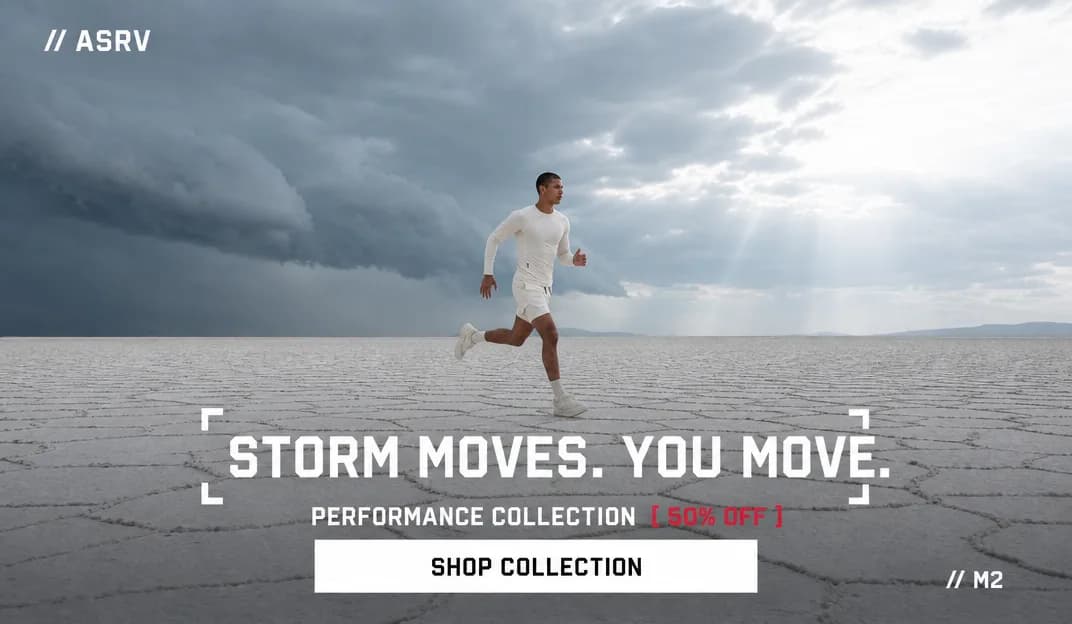
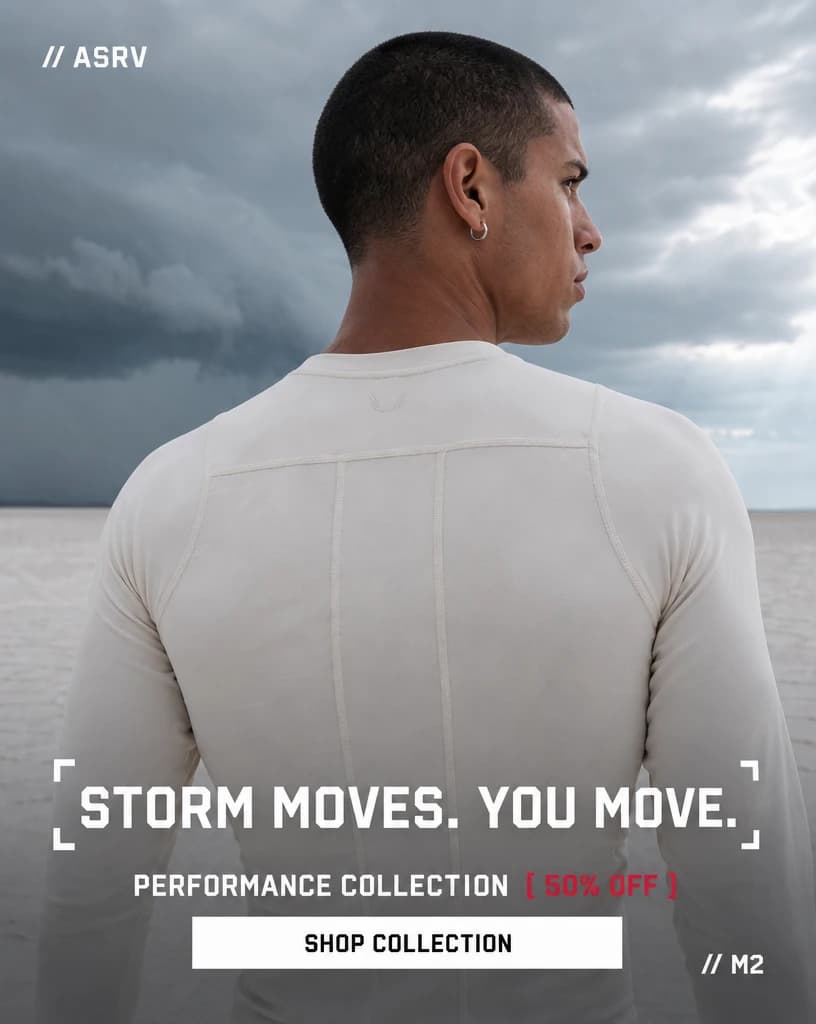
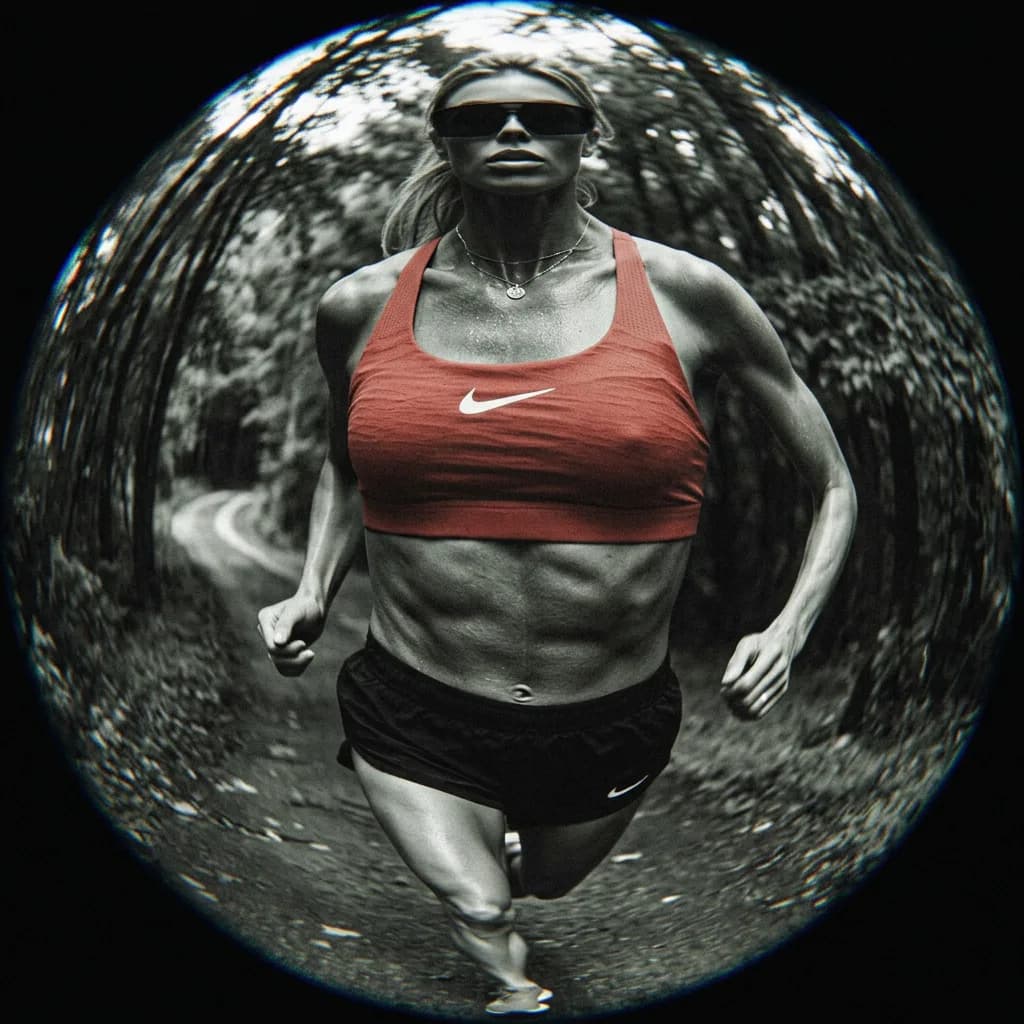
Lookbooks, social, and advertising — from emerging labels to established houses.
Creative Intelligence Systems · ecommerce & DTC
InfuseLab installs a Creative Intelligence System that runs your creative operation — agents plan, generate, and review every batch against your brand rules, through a human approval gate, on a schedule you own. Add SKUs, formats, and channels without adding headcount.
Trusted by brands and agencies scaling creative production





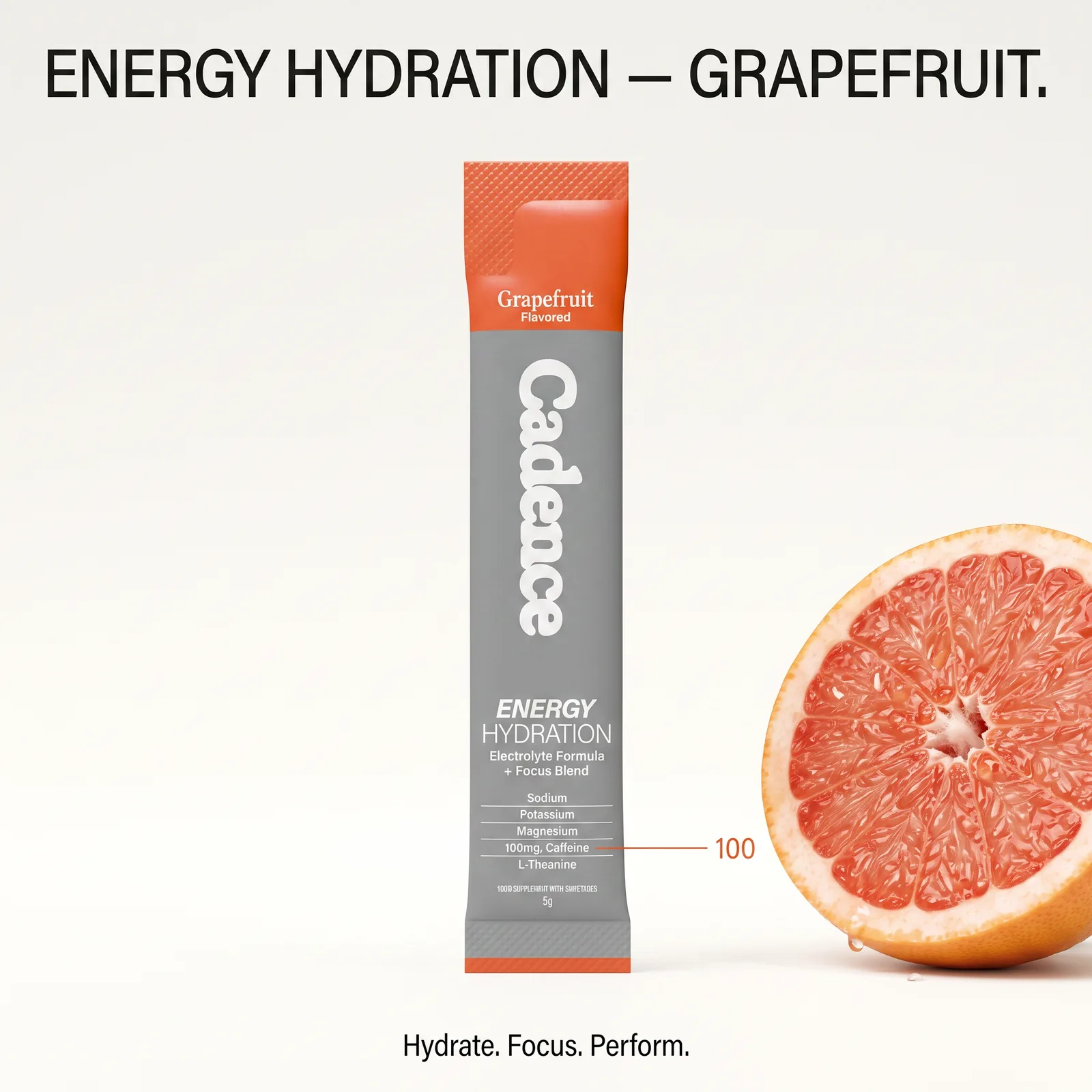
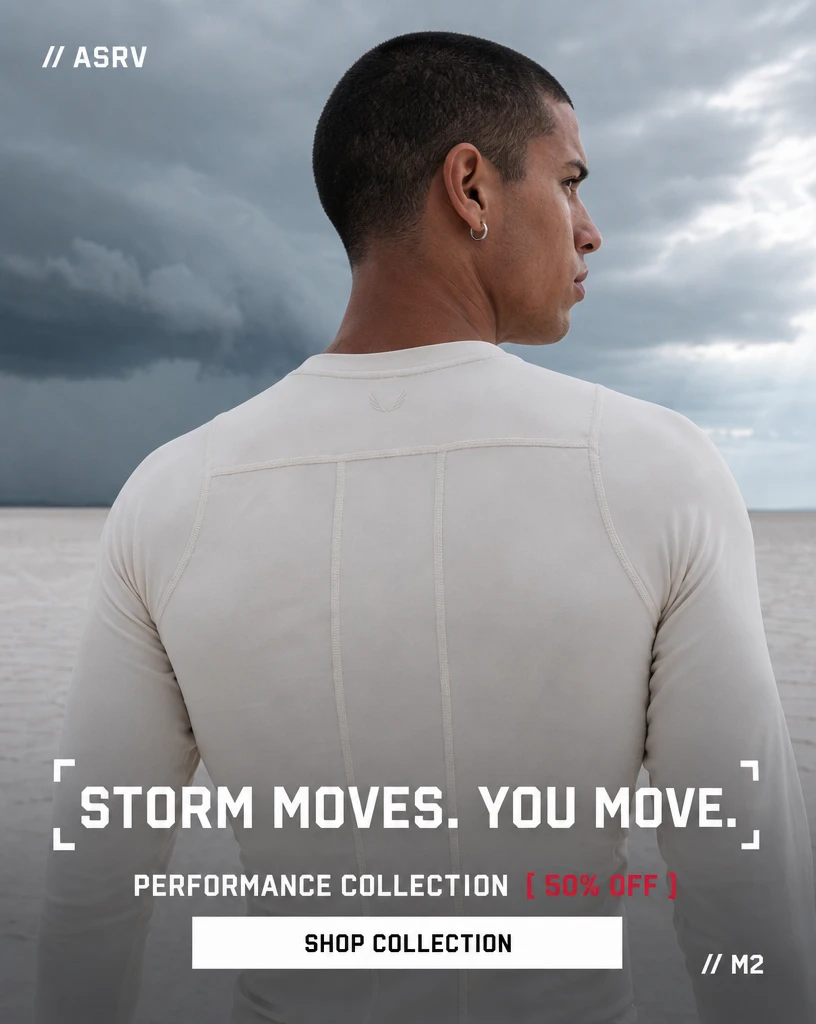
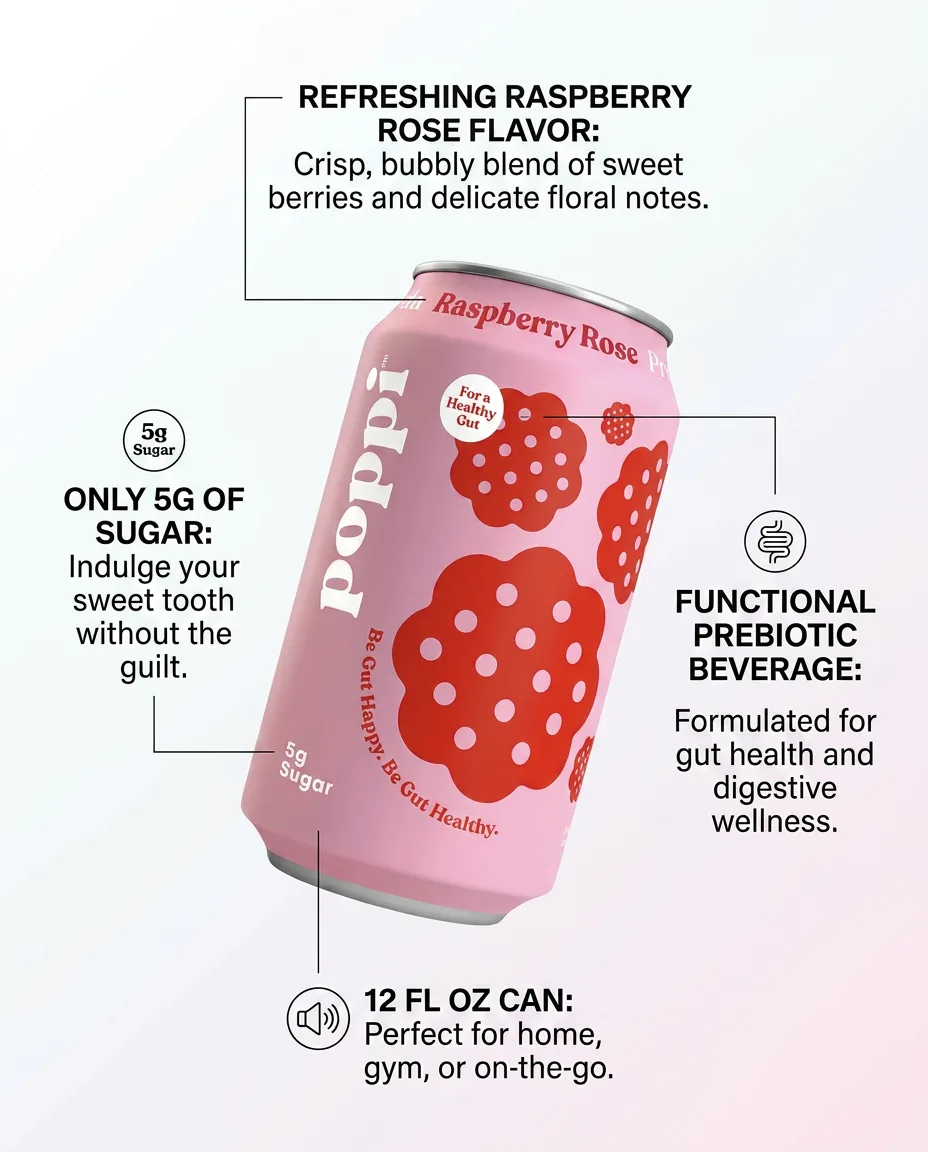


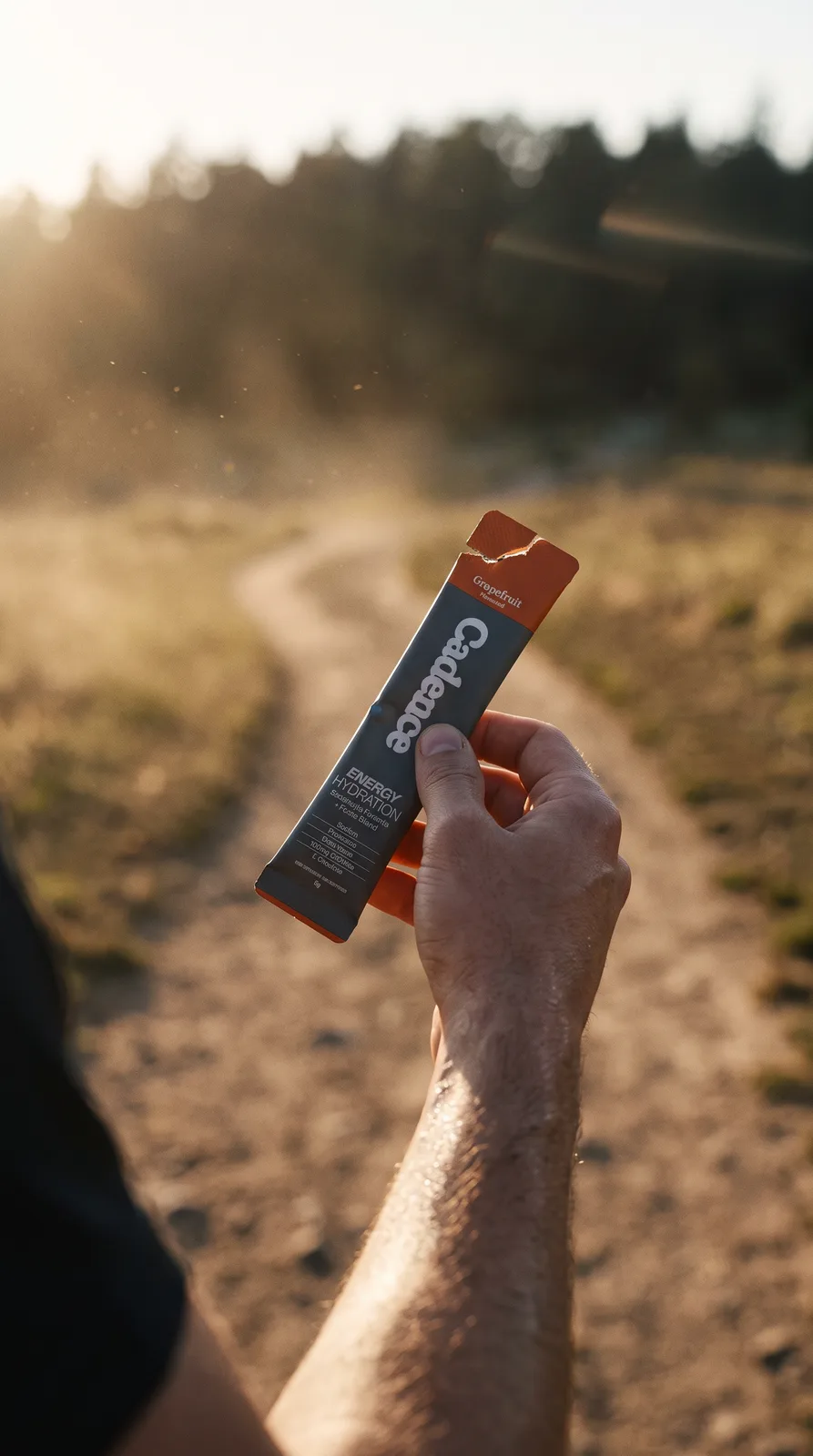



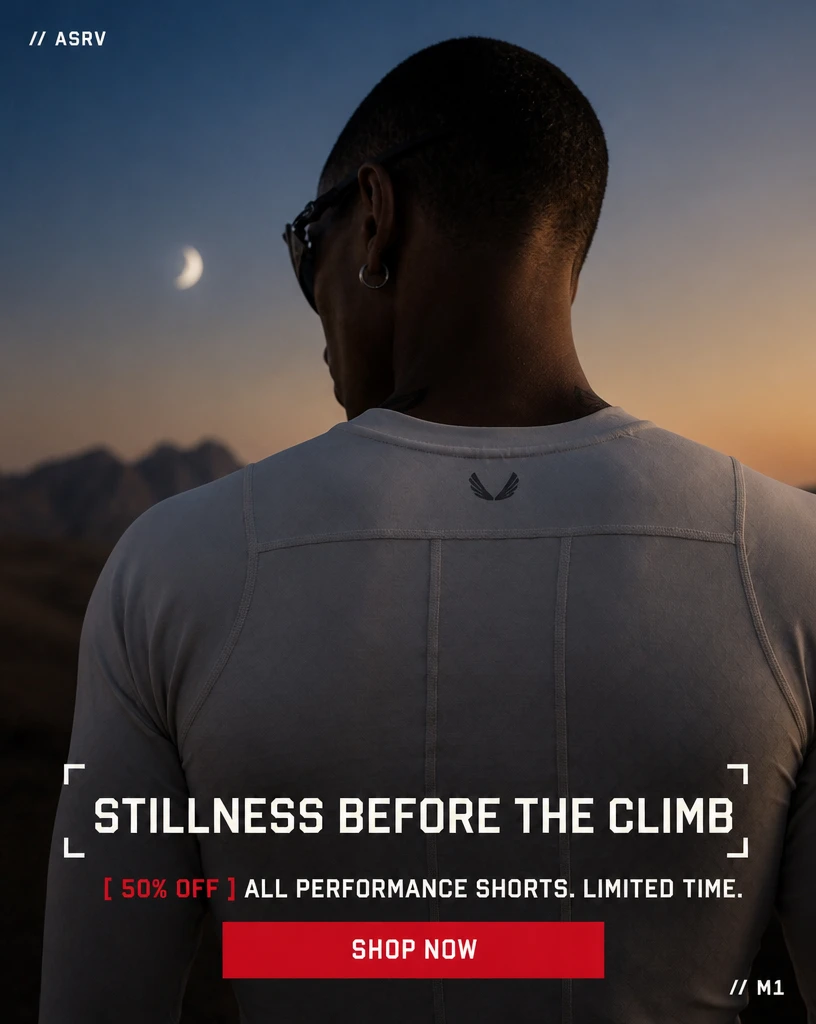
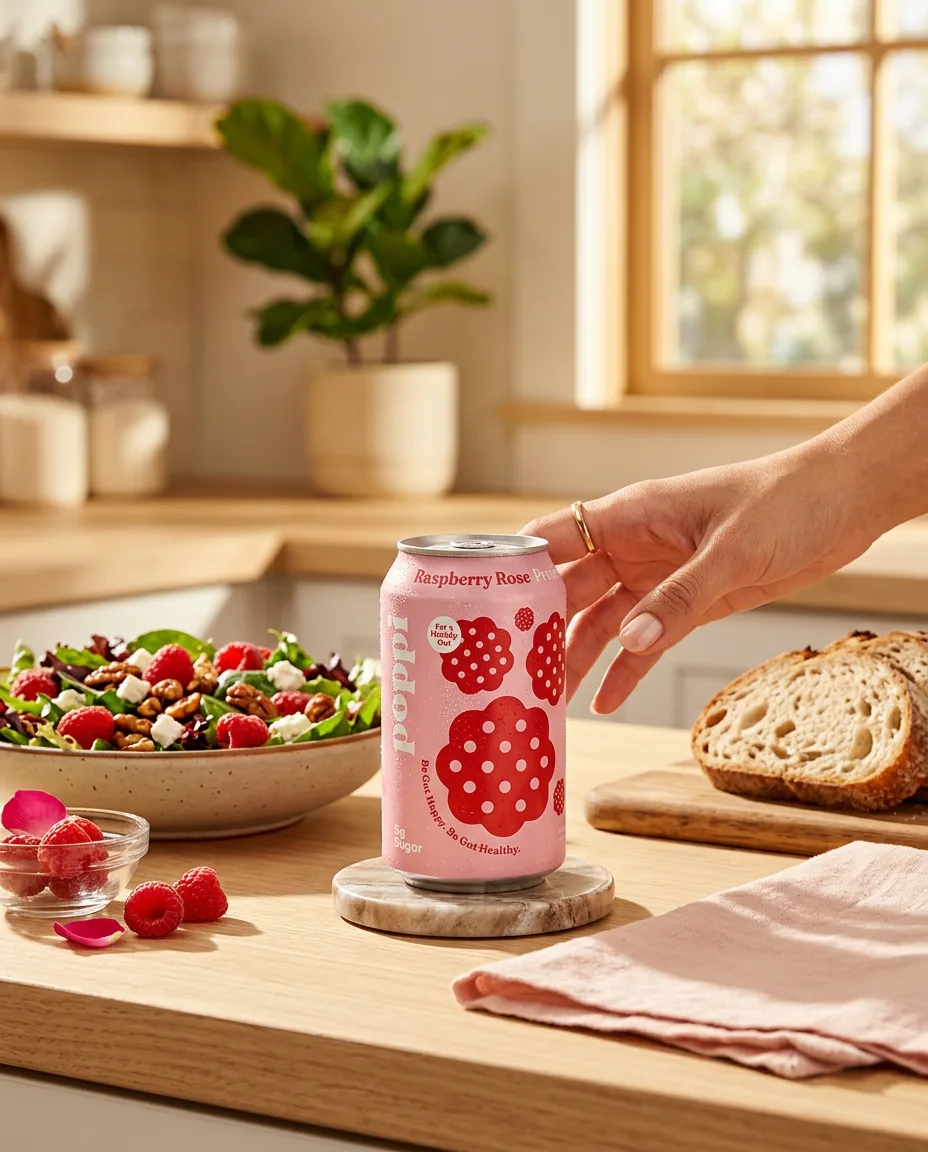

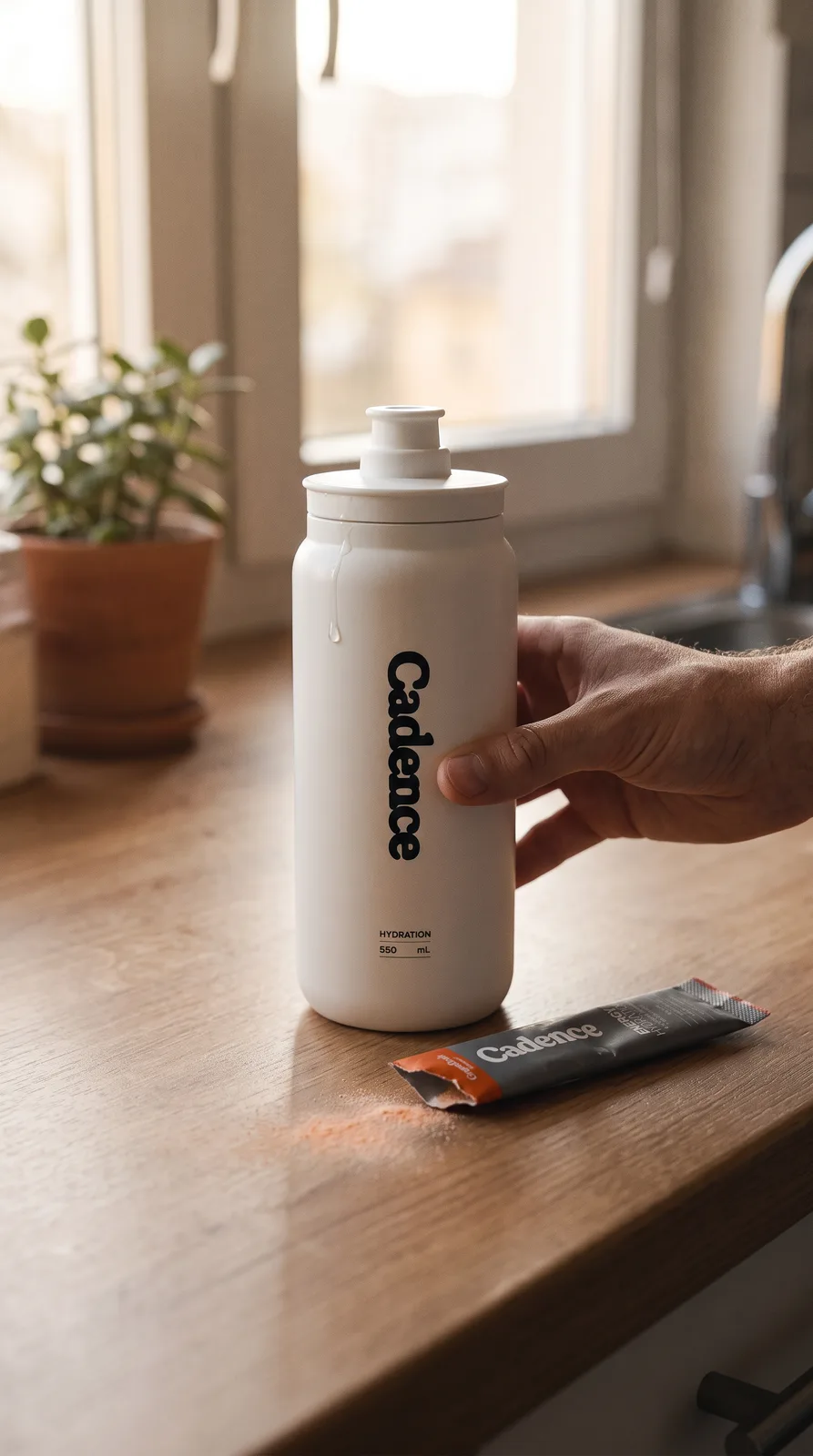


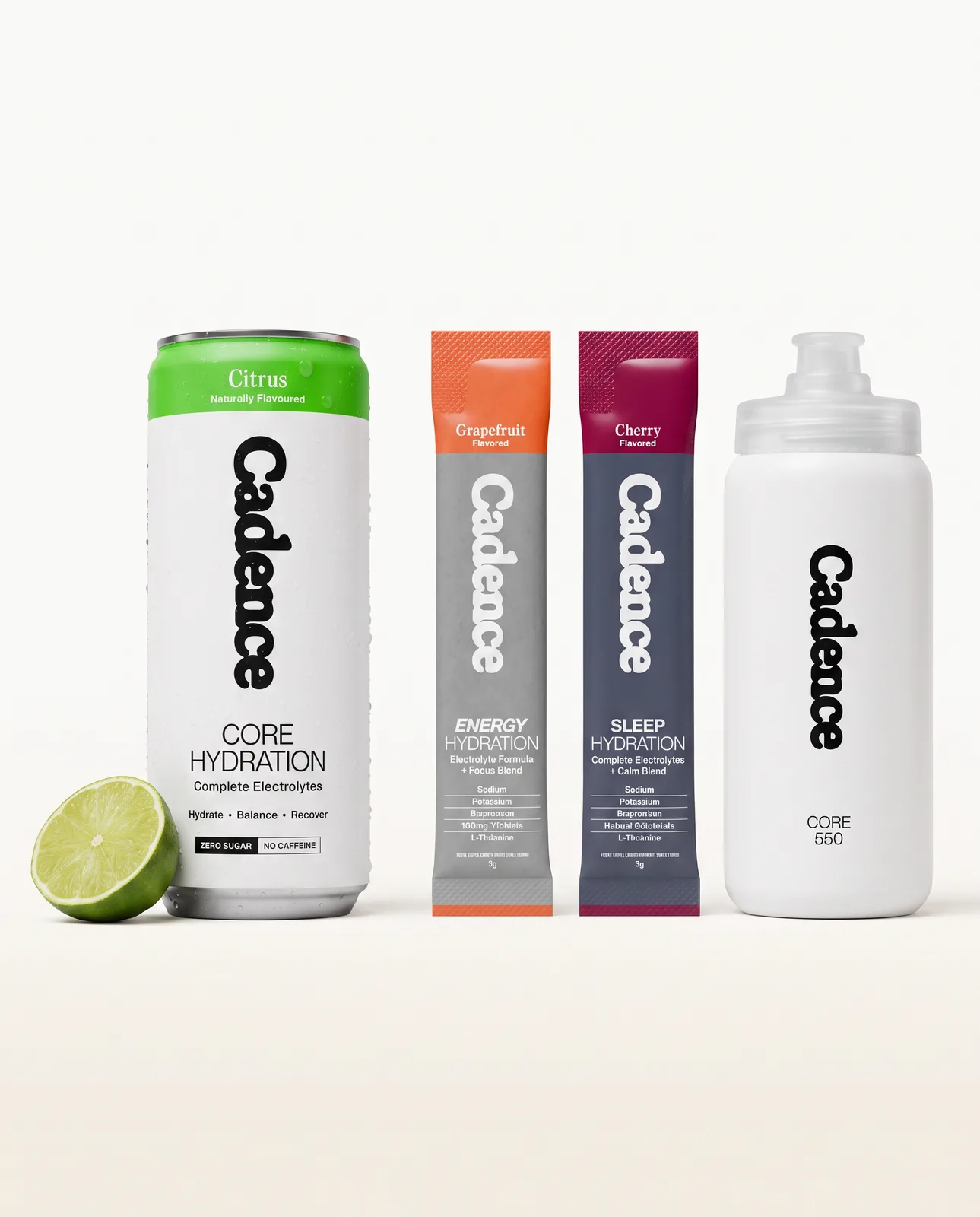


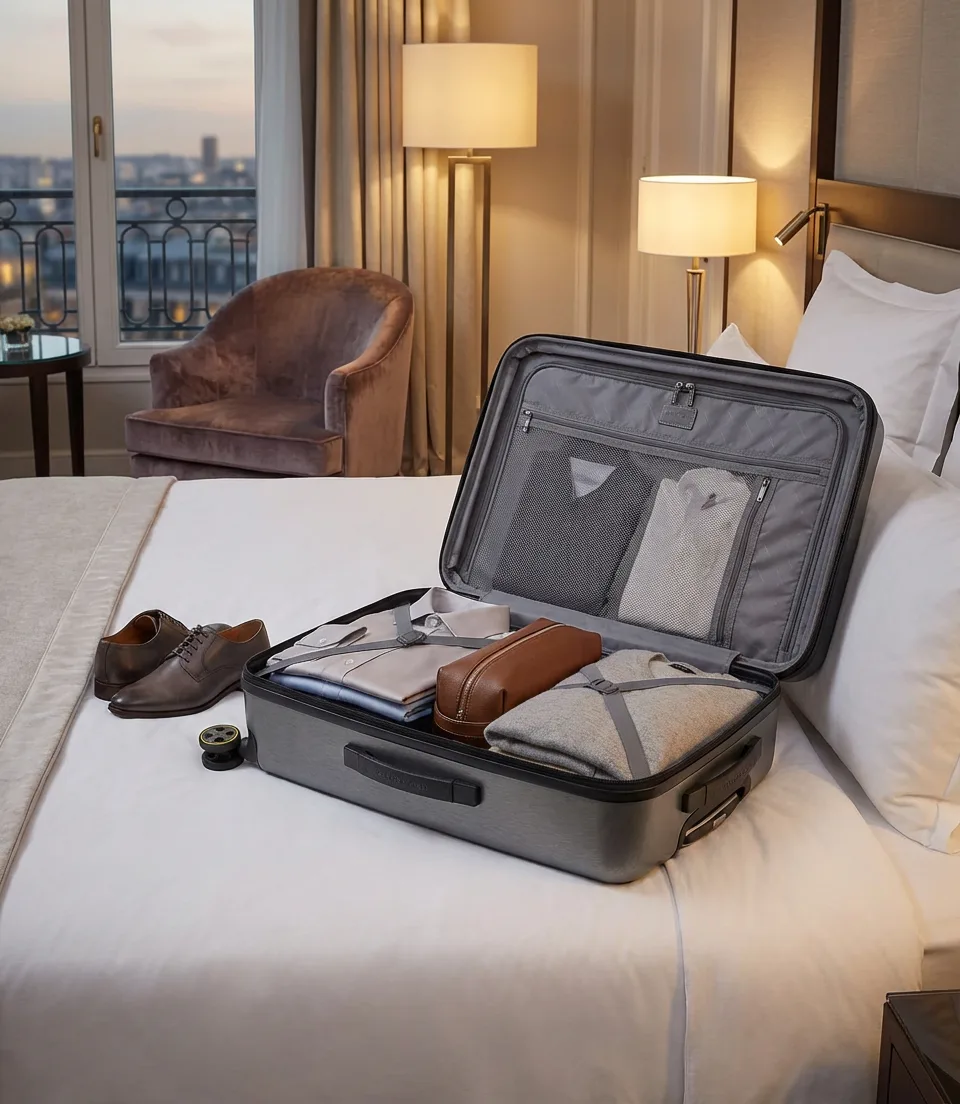

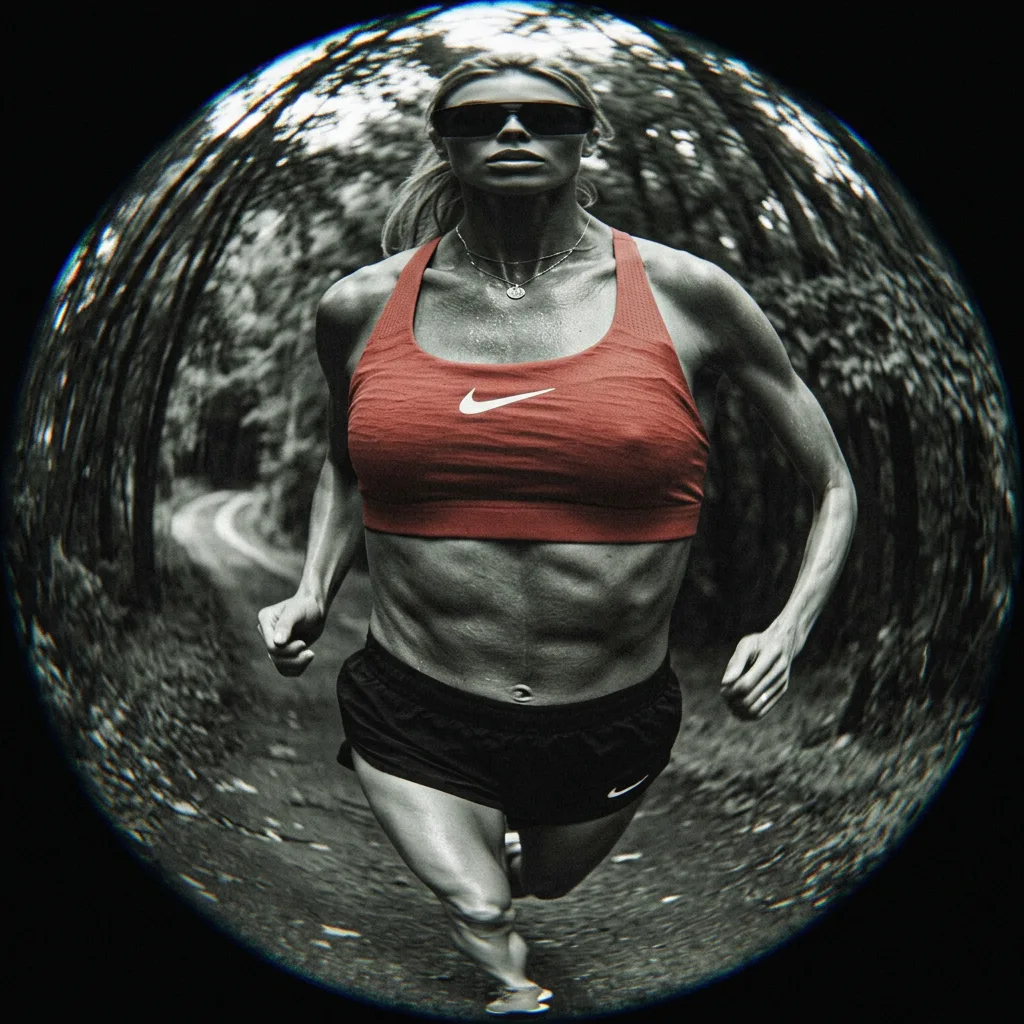



Most ecommerce brands do not have a content problem. They have a systems problem. The AI tools exist; the pipeline does not.
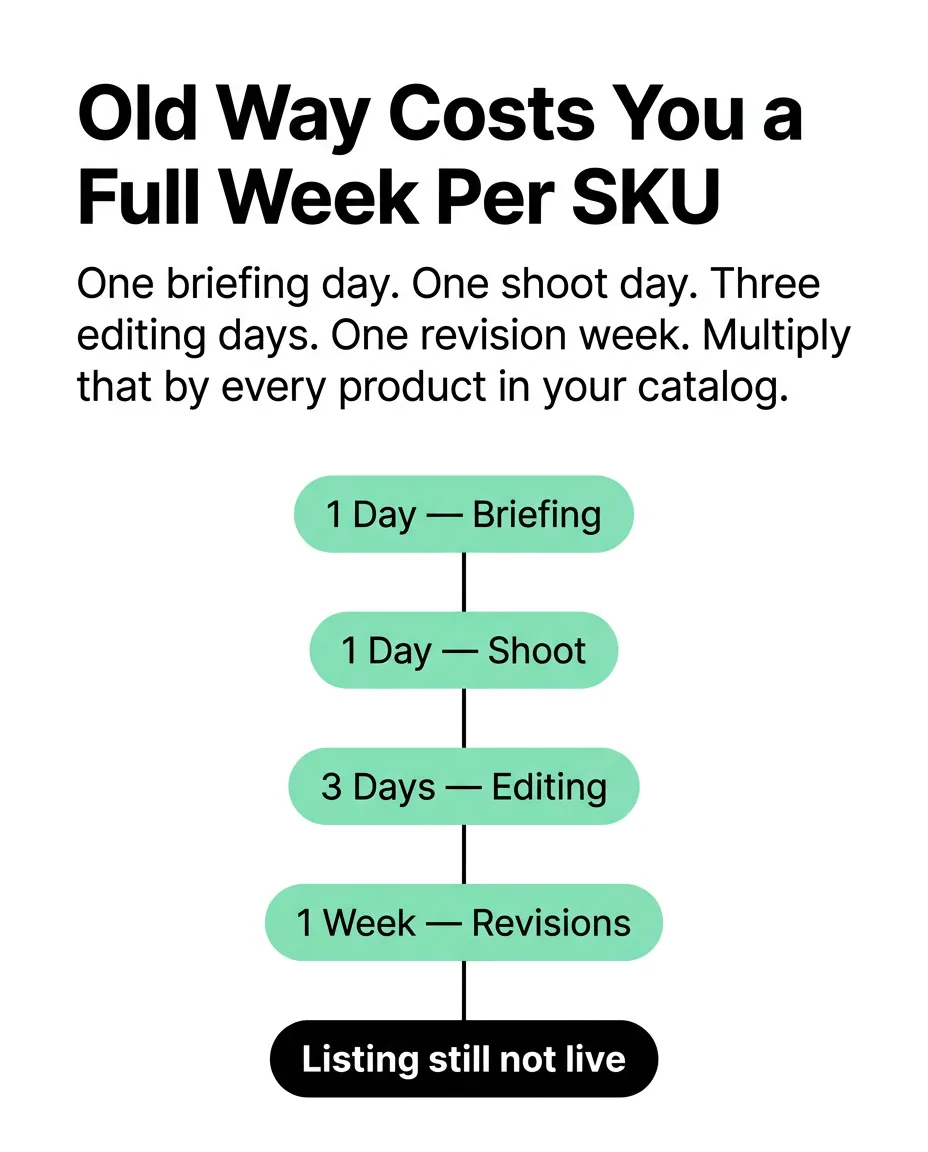
Every campaign needs a fresh set of ads, product images, and video. Briefing each asset, producing it, and moving it through approval is manual work that does not scale with SKU count or channel count. Adding freelancers or point tools adds coordination cost without fixing the constraint.
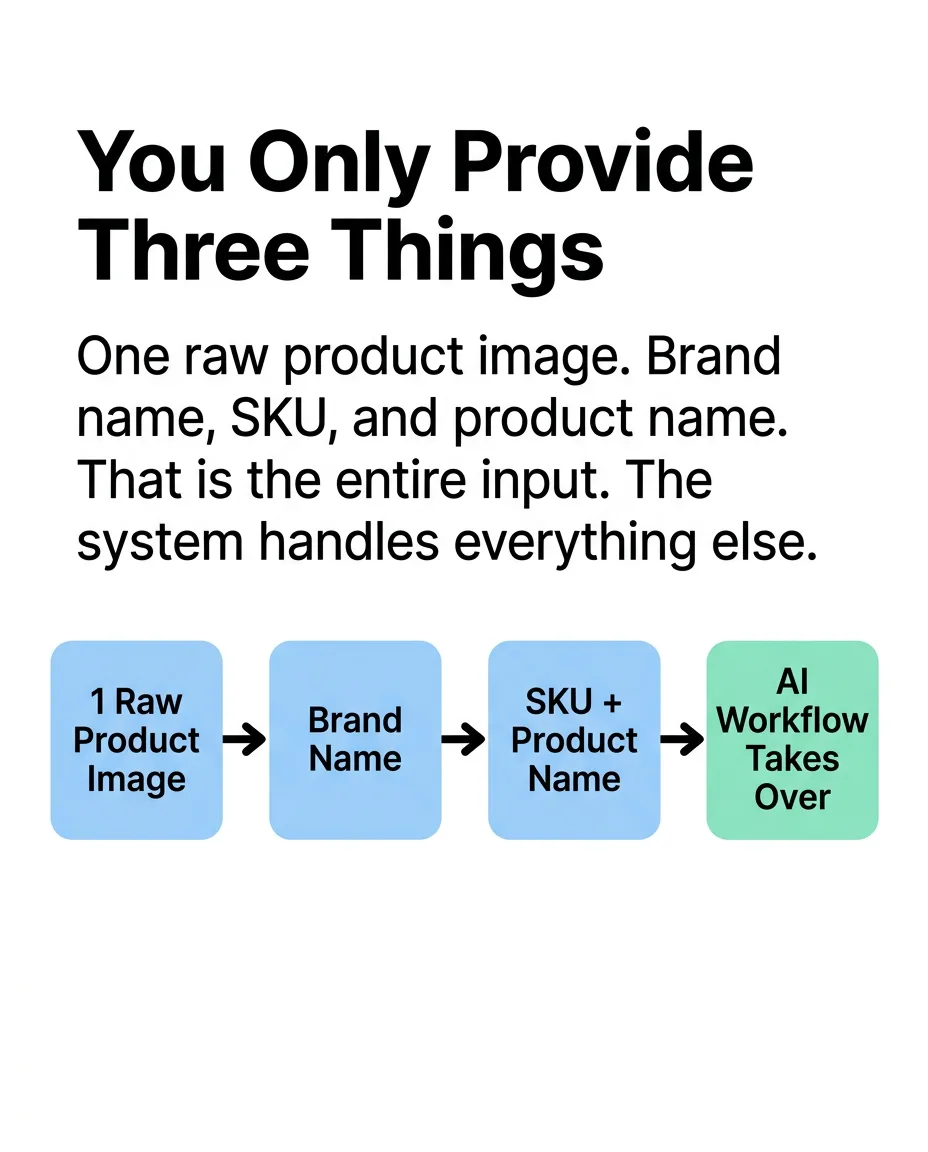
What is missing is a system: approved inputs in, your brand context applied, a bounded generation workflow, an automated quality pass, a human approval gate, and delivery — running on a schedule your team owns.
Who it's for
Lookbooks, social, and advertising — from emerging labels to established houses.
Turn sketches into styled visuals and ship production-ready assets.
Test ideas, iterate on compositions, produce finals — no big production team.
Product imagery at scale for wholesale partners, distributors, and retail accounts.
Campaign assets for every channel at once. A/B-test and launch faster.
Keep the catalogue fresh with product visuals that convert — no shoot needed.
Tangible outcomes
Each takes defined inputs and returns approved assets. Every page shows the pipeline, the human approval point, and what it does not automate.
Brand name + product URL → a complete UGC ad. 4 inputs, no shoot.
1 model image → 6 cinematic camera angles for the editorial. No second shoot.
4 product images → a smooth, loopable 360° spin video. No turntable rig.
1 product image + 4 text inputs → full Amazon listing. Copy and visuals in one pass.
Browse all workflows — filter by what you need done.
Built different


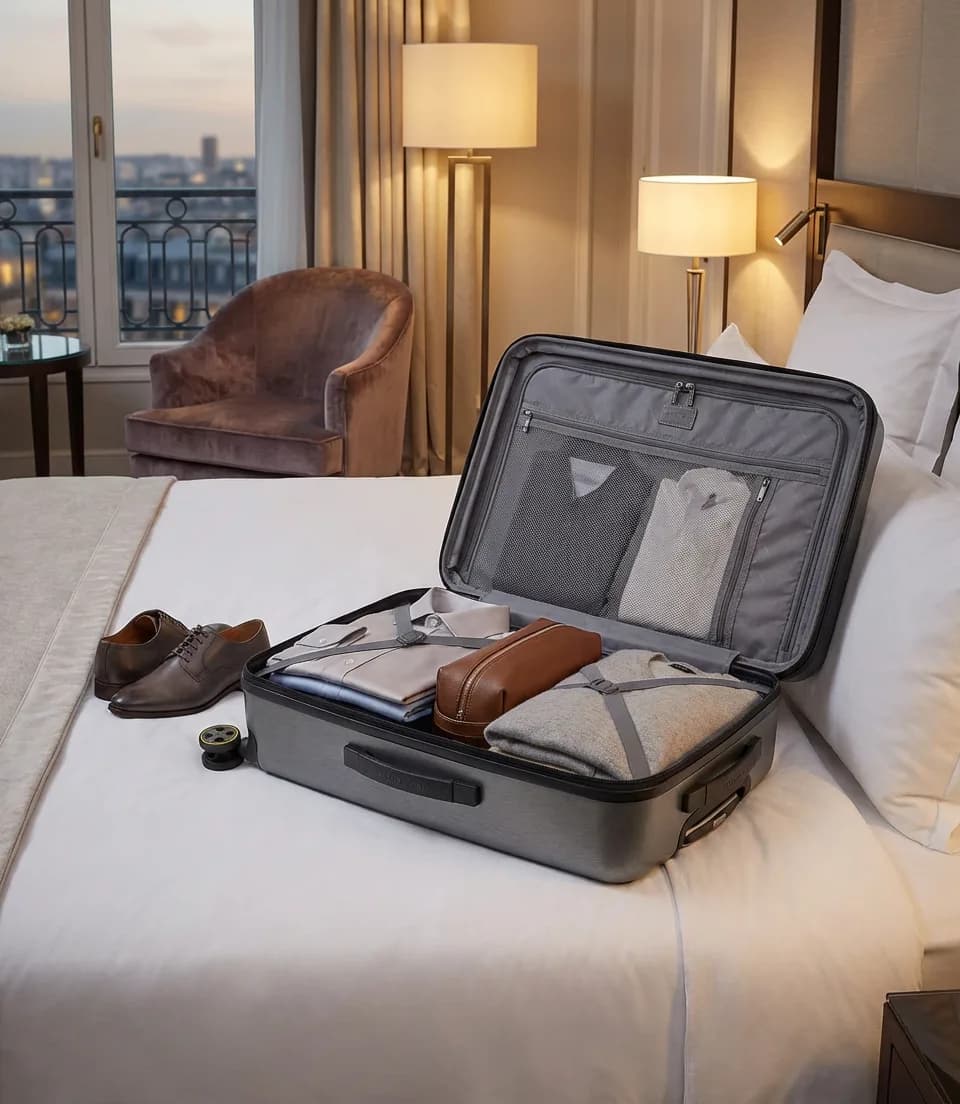
Vision models tuned on real product and campaign photography. Colour, materials and proportions stay locked to spec while the scene, framing and styling change around them.
 Hard-shell caseCSE-001
 Carry-onCSE-042
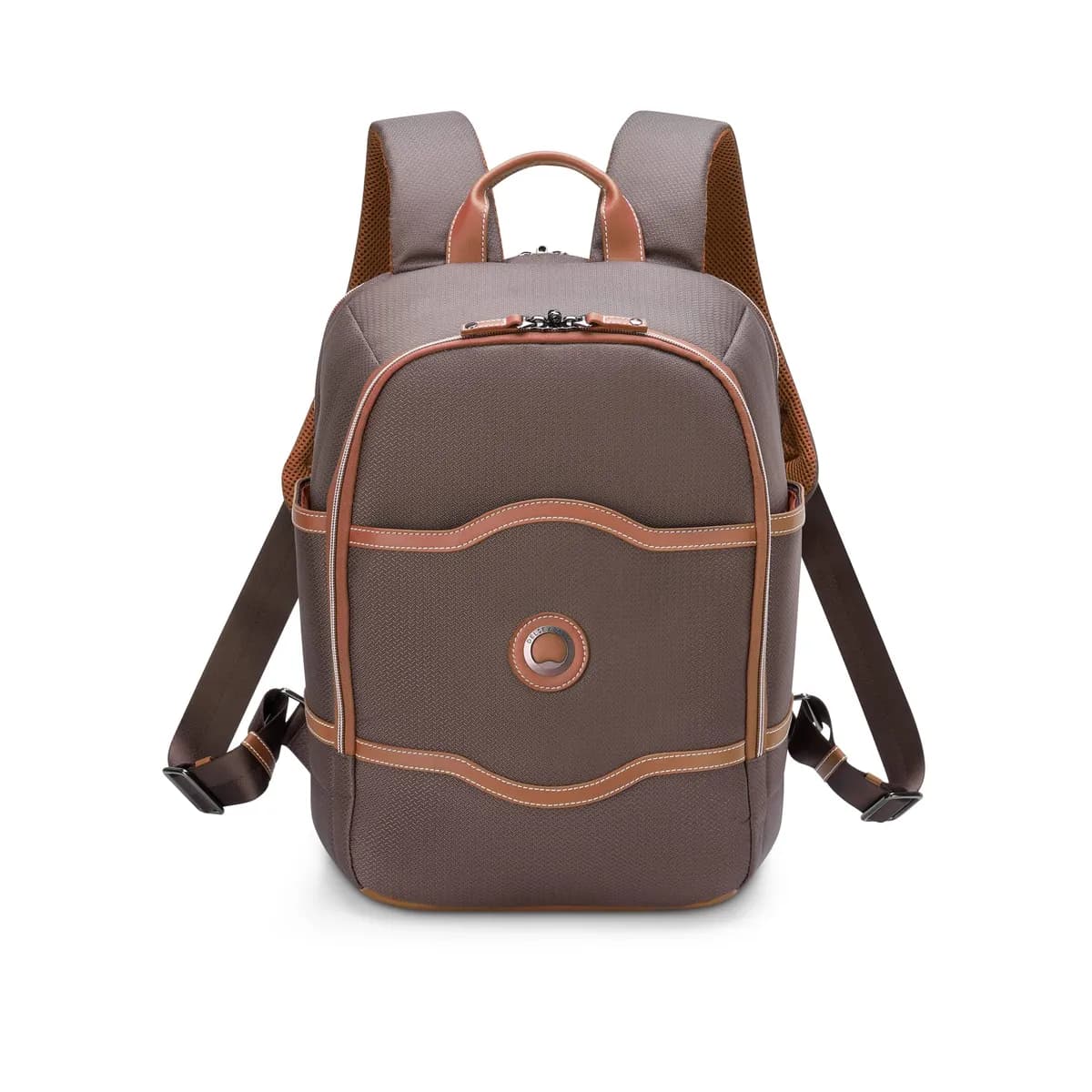 Day packPCK-118
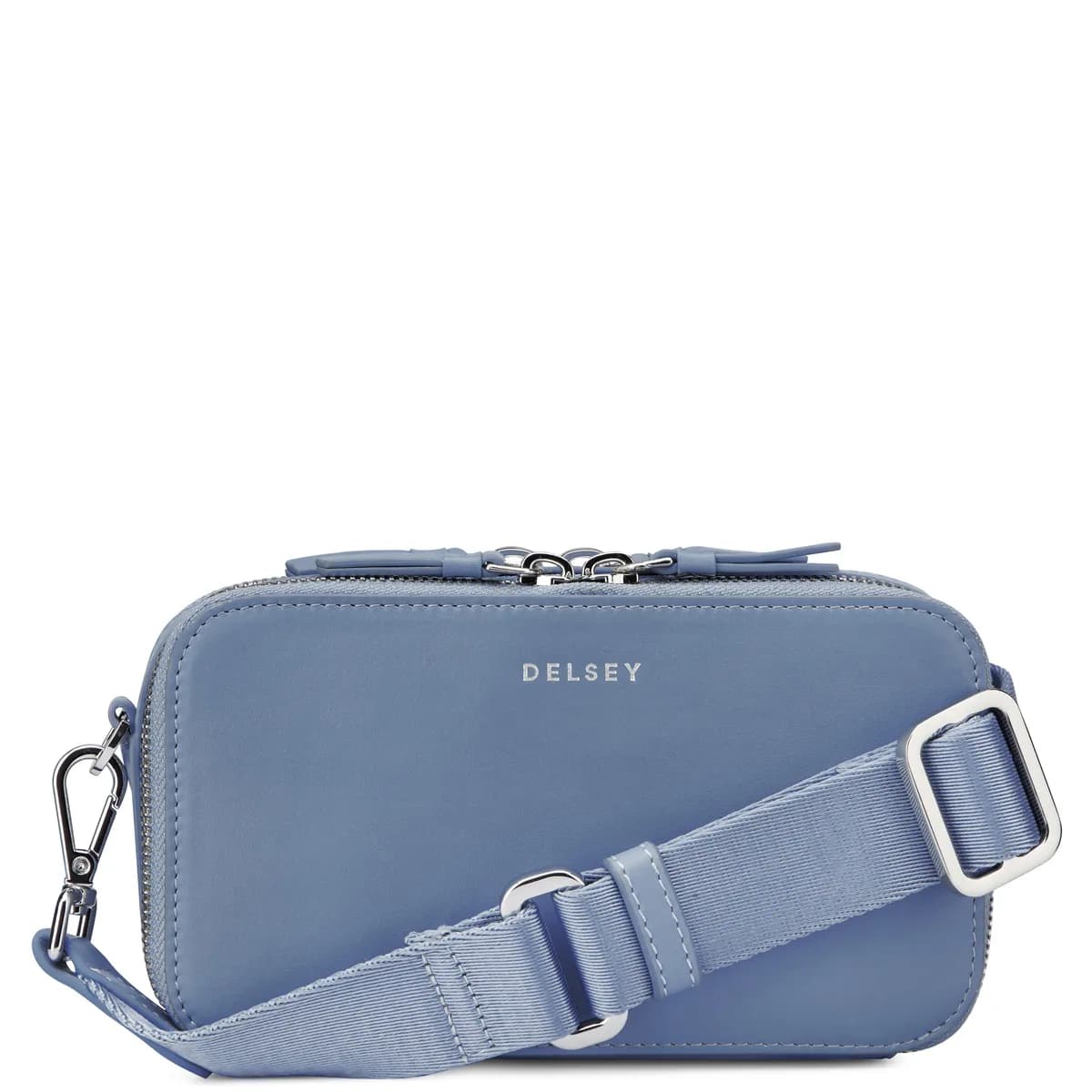 CrossbodyBAG-063
One run covers the whole set. Sketch-to-product or virtual try-on across hundreds of SKUs at once — weeks of manual retouching done in a day.
Assets land where your team already works — PIM, DAM, and your ecommerce platform — through a clean fetch, generate, and deliver flow.
Why this is more than generation
A workflow generates. The system decides what is allowed in, scores what comes out, and holds a mandatory human sign-off before anything ships.
Only assets the client has the rights to use.
Voice, visual rules, product facts, claims boundaries.
The bounded pipeline for this task — not an open prompt.
Model-scored against the brief and realism criteria; failures regenerate.
A mandatory sign-off that cannot be disabled.
Shipped in channel format; rejections feed the next cycle.
The path every batch follows — approved inputs in, an approved asset out. Layer detail below.
Product photography, brand assets, briefs, and reference material the client has the rights to use. Nothing enters generation that has not been approved as an input.
A structured record of voice, visual rules, product facts, claims boundaries, and prohibited treatments. Every workflow reads this before it generates anything.
The specific pipeline for the task — multi-angle reshoot, packshot ads, spin video, UGC ad, listing assets. Each is a bounded, documented sequence, not an open prompt.
Model-scored checks against the brief and against realism criteria — scale, proportion, perspective, brand fit. Outputs that fail are regenerated before a human ever sees them.
The approver reviews the batch that passed automated evaluation and accepts, rejects, or requests changes. This gate is mandatory and cannot be disabled.
Approved assets are delivered in the formats the channel needs. Rejections and change requests feed back into the brand context so the next cycle starts closer to approved.
See the full Creative Production System — ownership, governance, delivery, and fit.
Built with the tools we run
The buying path
Every engagement starts small and scoped. Pricing is set after discovery, not from a matrix.
Prove one recurring production task on your real inputs.
One defined workflow, one brand, one product or campaign, one approval loop, a short delivery window, and a written recommendation for the next layer. A paid proof engagement, not a free sample.
Install the Creative Production System around your brand and approval process.
Discovery and system spec, brand context and rules, one or more workflows, evaluation and correction logic, an approval and delivery path, operator training, and an initial stabilization period.
Keep the installed system operating, current, and improving.
Production operations or operator support, monitoring and failure handling, prompt and model updates, monthly optimization, usage reporting, and minor improvements within a defined capacity.
Agencies run the same path on one client account first, then expand to multi-brand.
Fit
Bring one recurring production bottleneck, your approximate monthly volume, and the person who would own approval. You leave with a fit decision — not a free custom architecture session.