Photography & Imaging
Editorial Camera-Angle Set
1 model image → 6 cinematic camera angles for the editorial. No second shoot.
Best for: Fashion and apparel brands, editorial teams, lookbook and campaign production
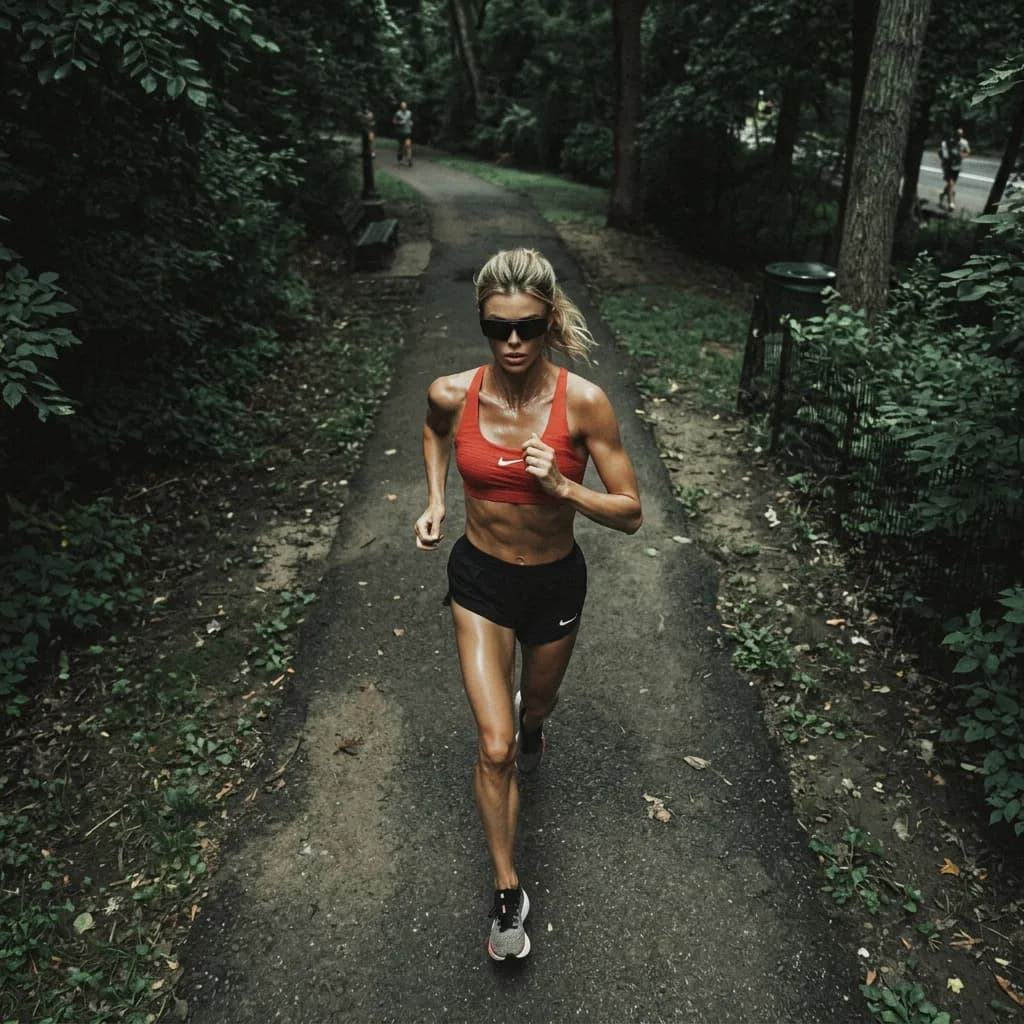
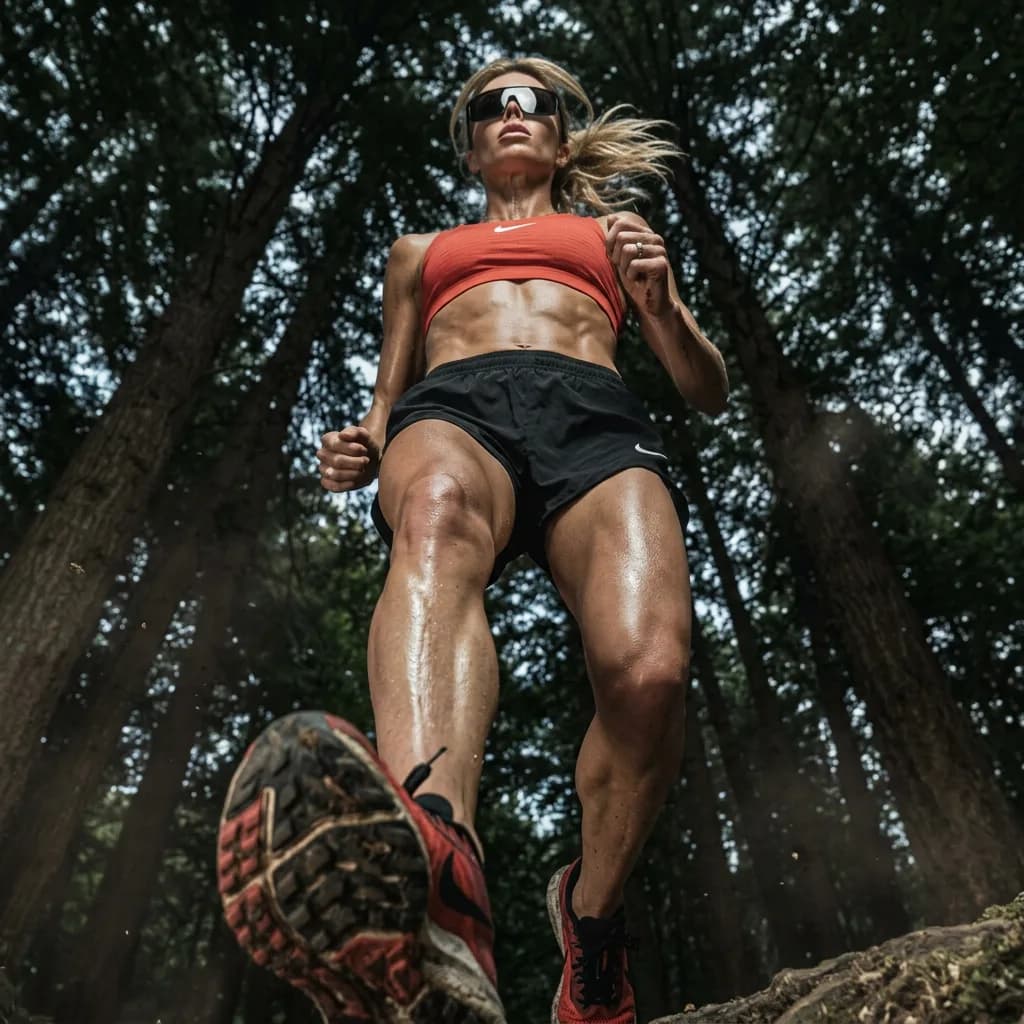
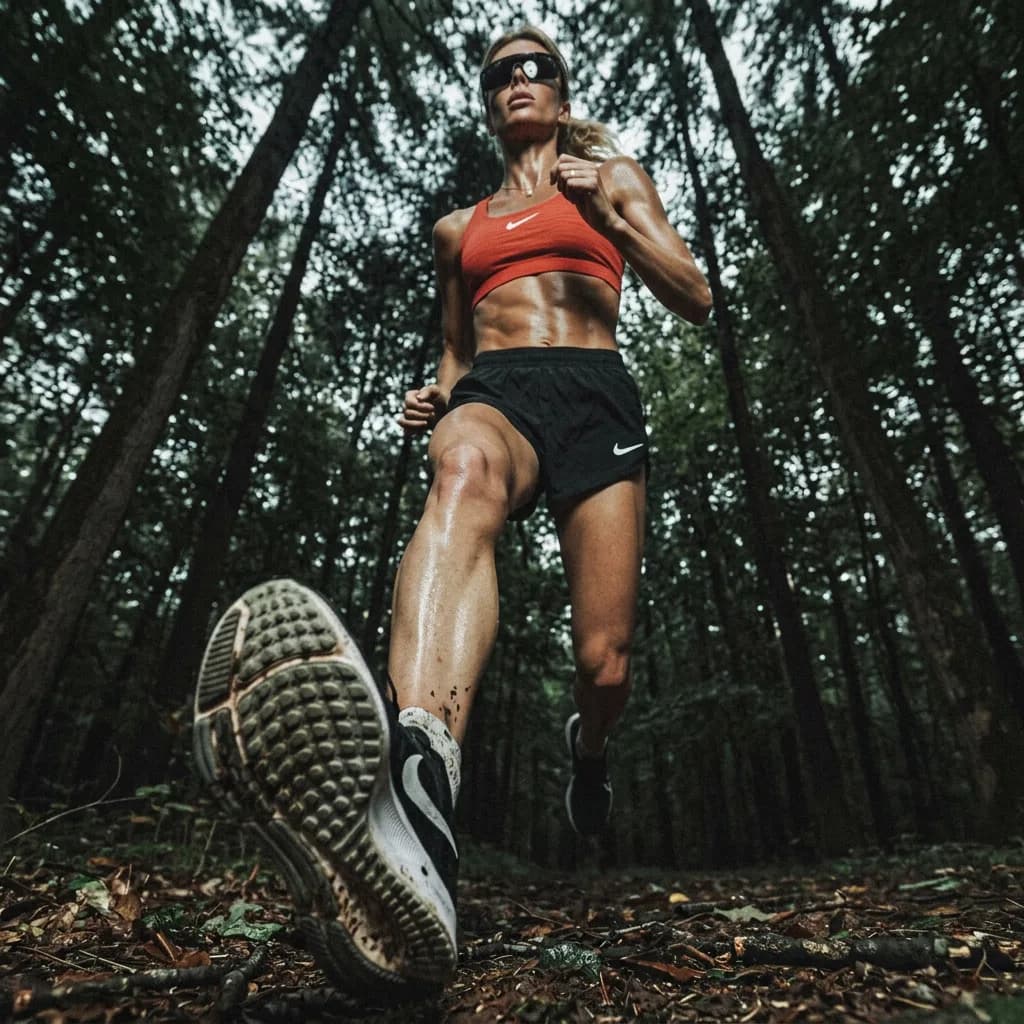
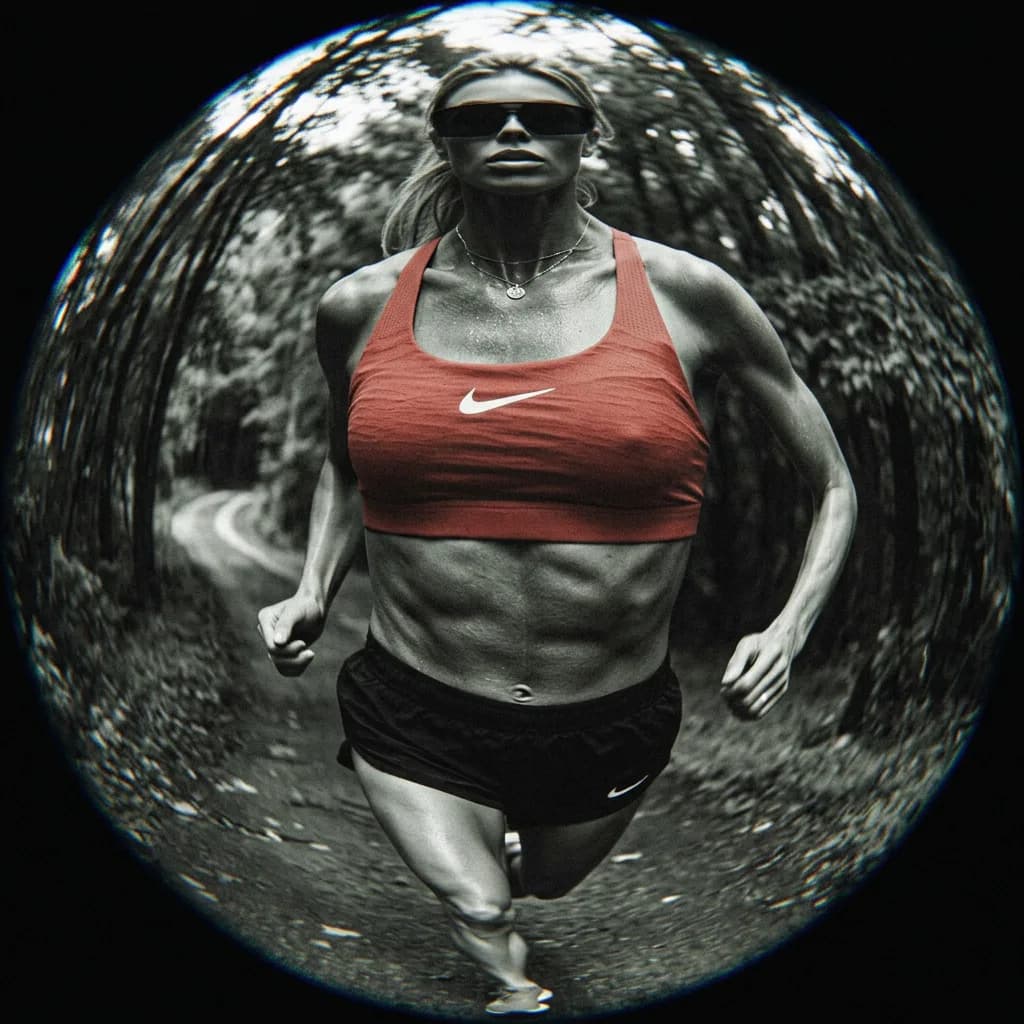
Send one on-model or product frame. Get six cinematic camera angles back — Fish Eye, Bird's Eye, Low Angle, Dutch Angle, Macro, and Worm's Eye — matched to the light and styling of the source shot. A vision model reads the garment first, then a photography director writes a bespoke prompt per angle with real camera placement. The extreme framings run through a critic-refiner loop: a second vision model scores each output for scale, proportions and perspective, rewrites the prompt to fix what's wrong, then regenerates. You touch nothing until every frame passes.
What you provide
- 1 on-model or product image (any angle)
- Optional styling or mood reference
What you get back
- 6 high-resolution frames across 6 cinematic camera angles
- Fish Eye · Bird's Eye · Low Angle · Dutch Angle · Macro · Worm's Eye
- Extreme framings refined through an automatic critic-refiner pass
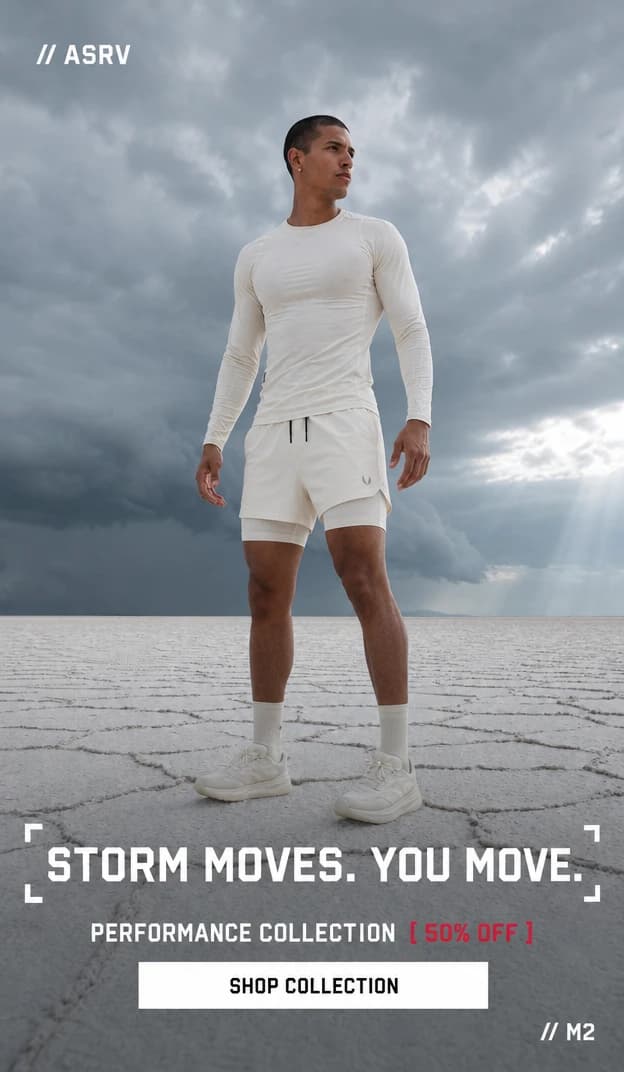
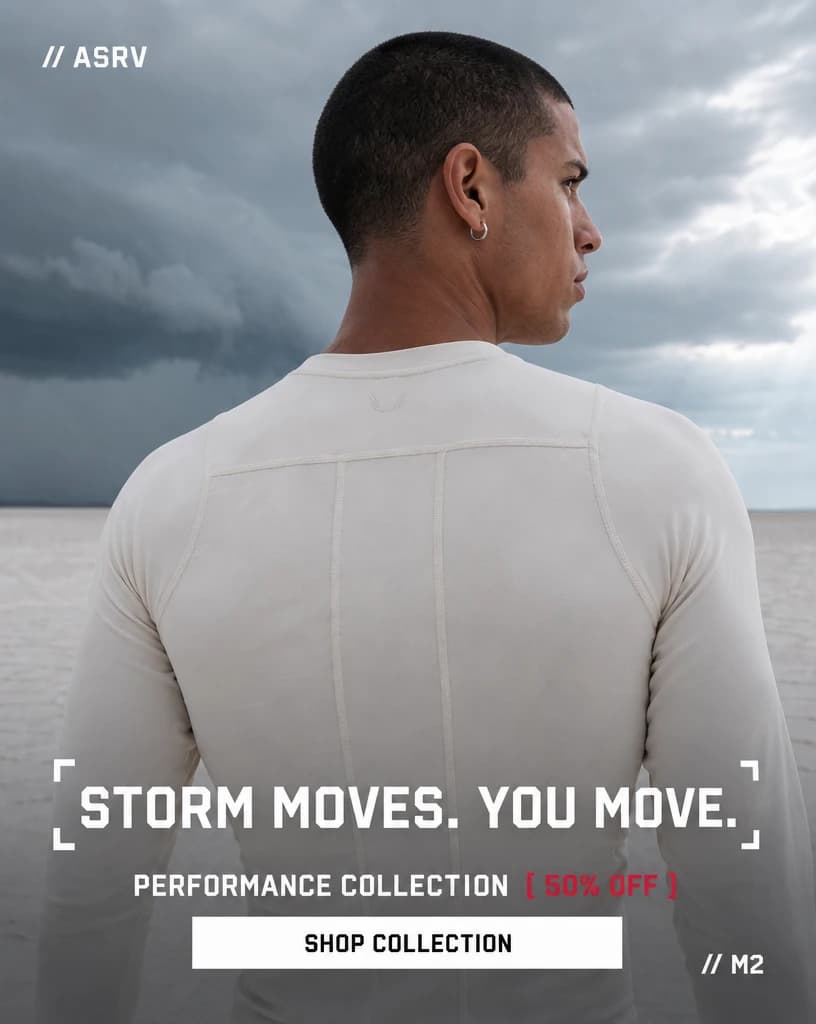
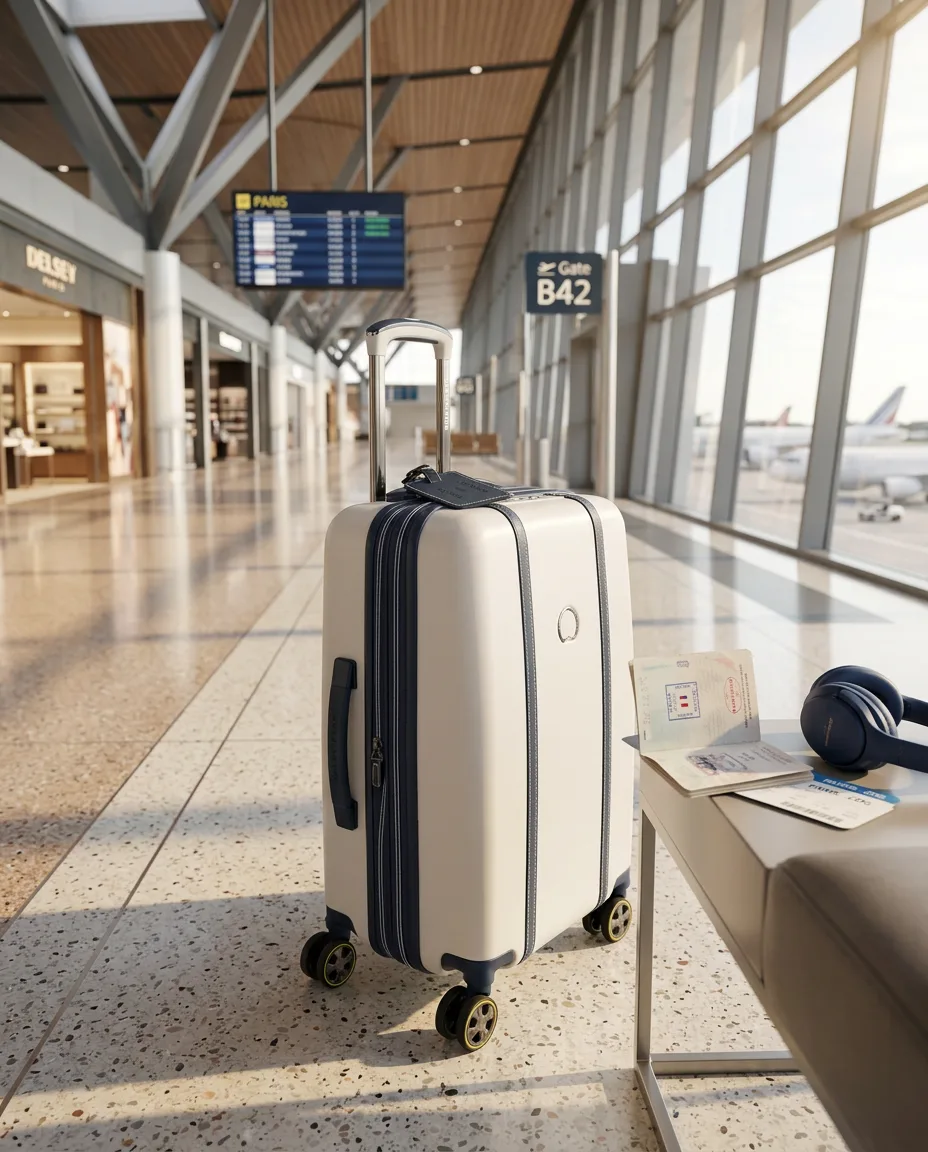
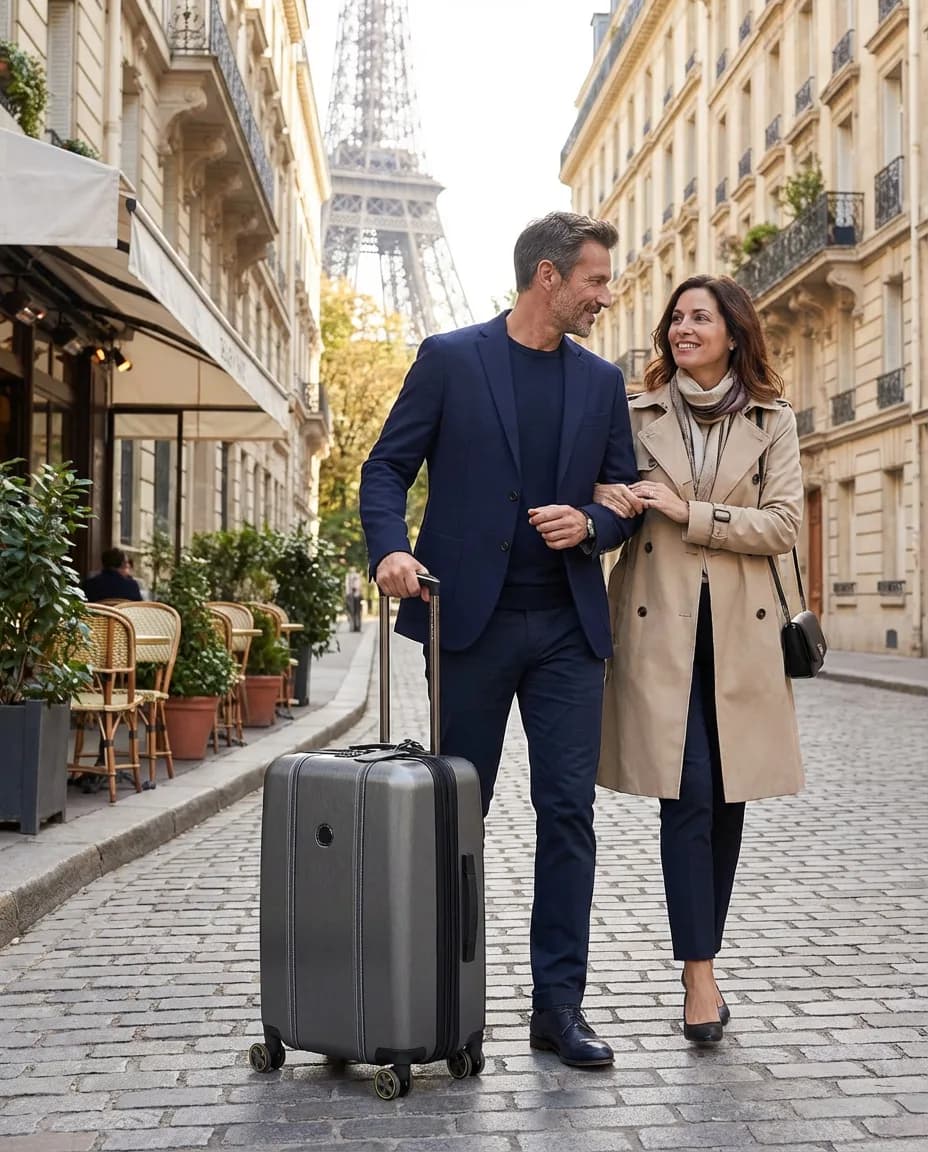
Real outputs
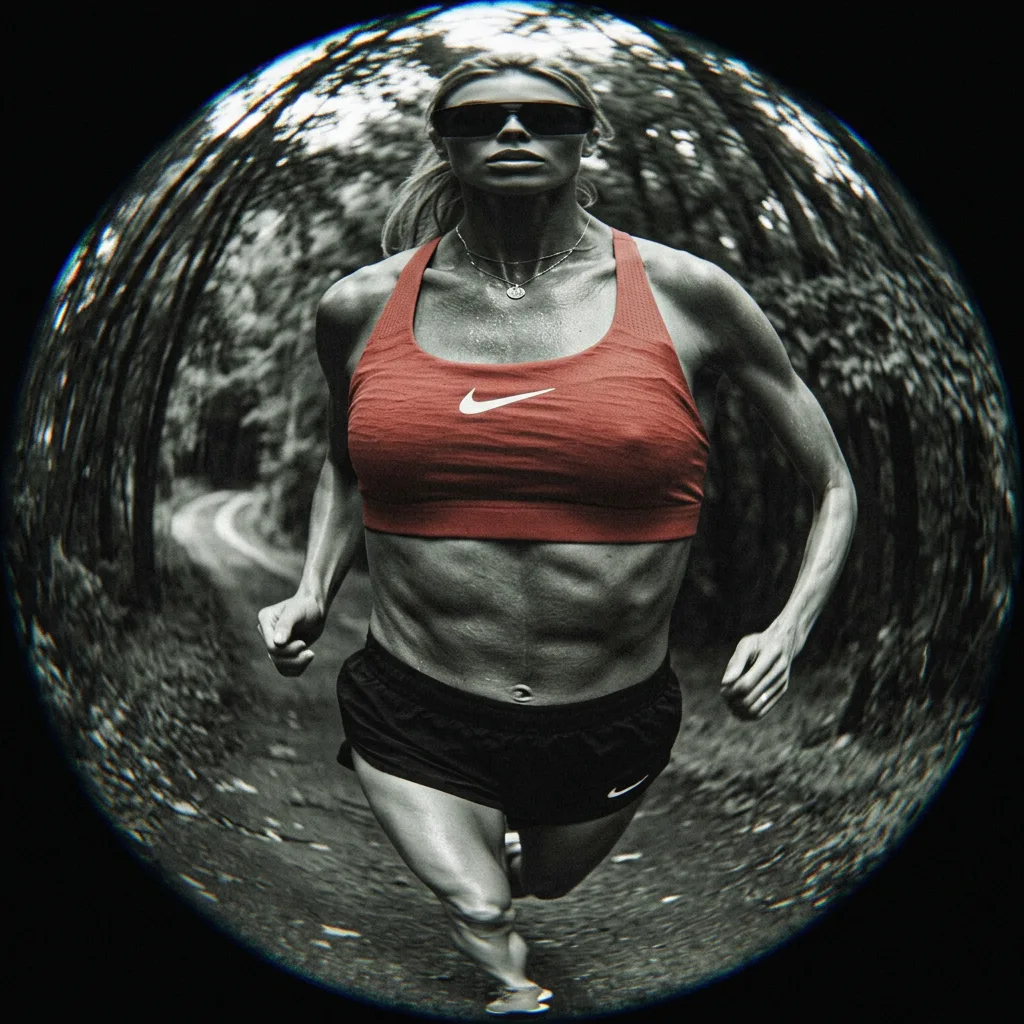
- Fish Eye
- Bird's Eye
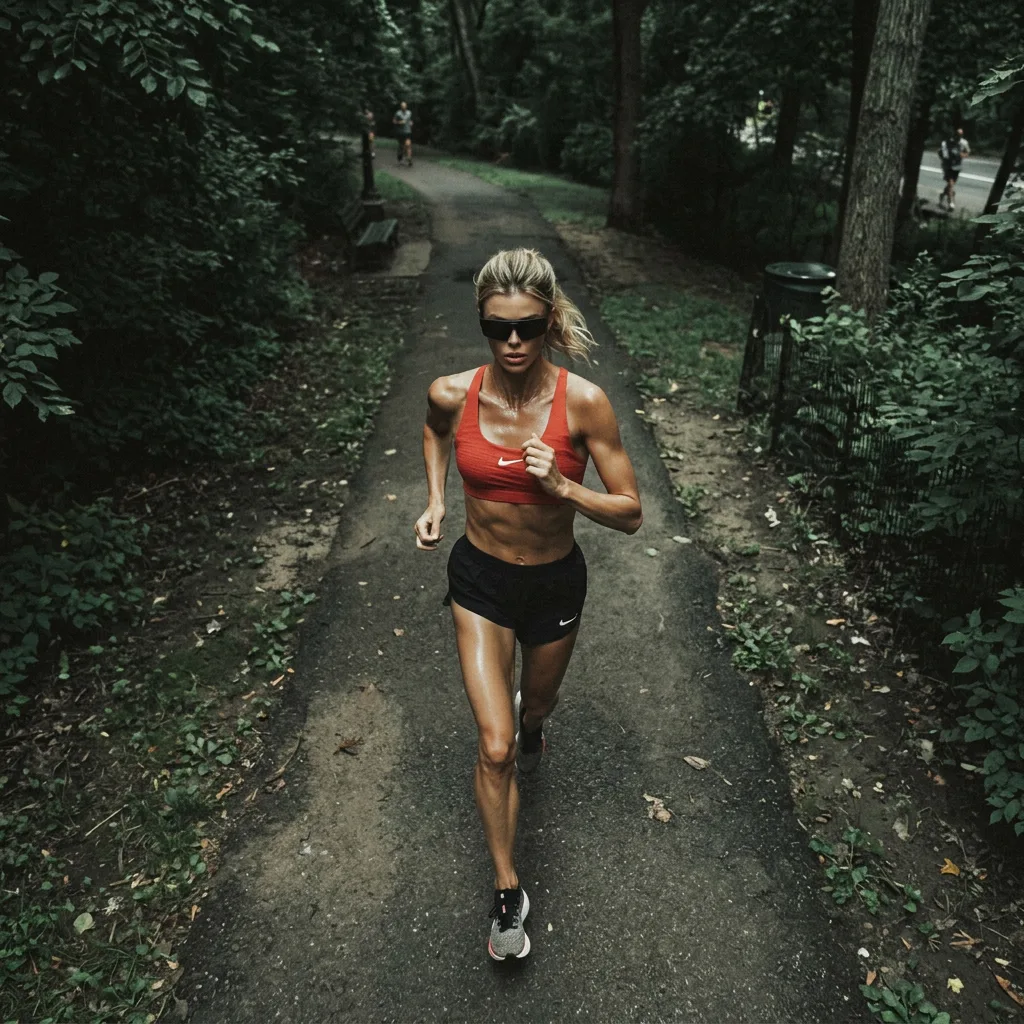
- Low Angle
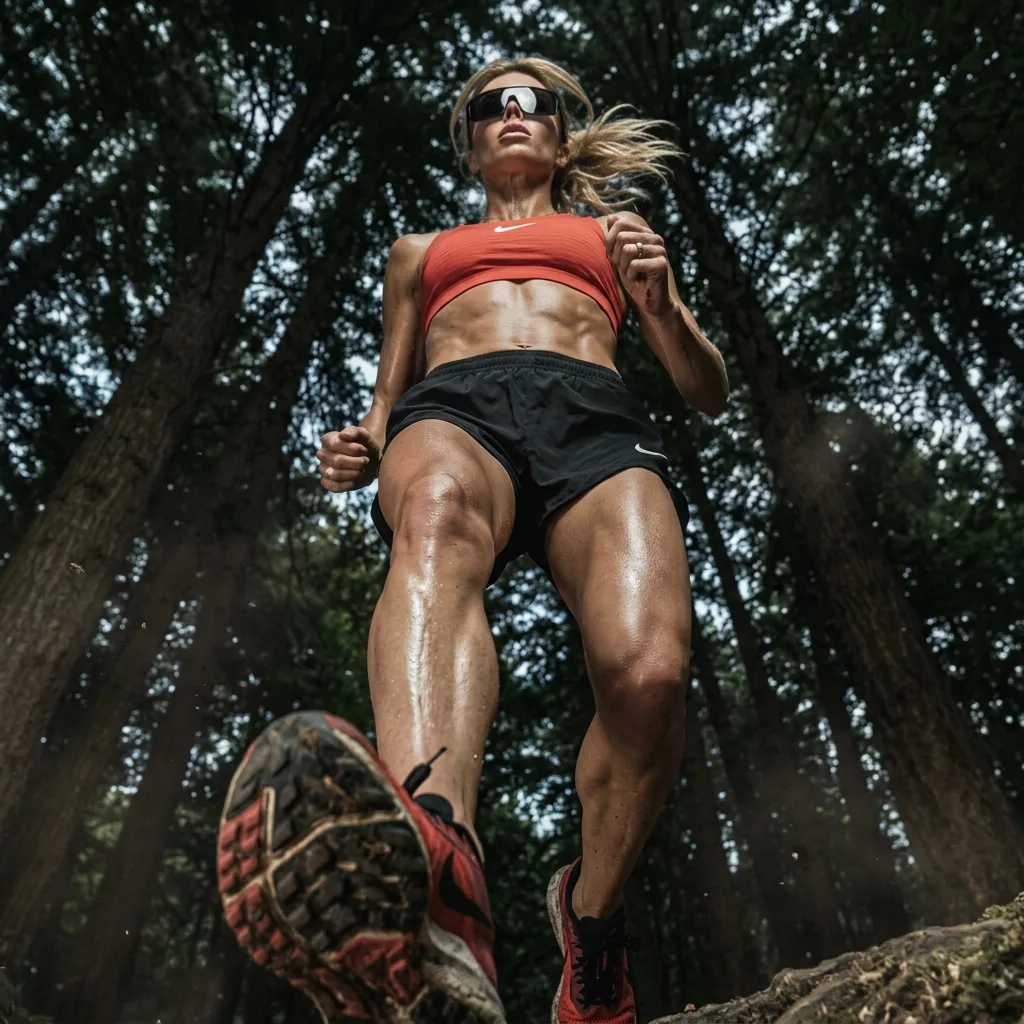
- Dutch Angle
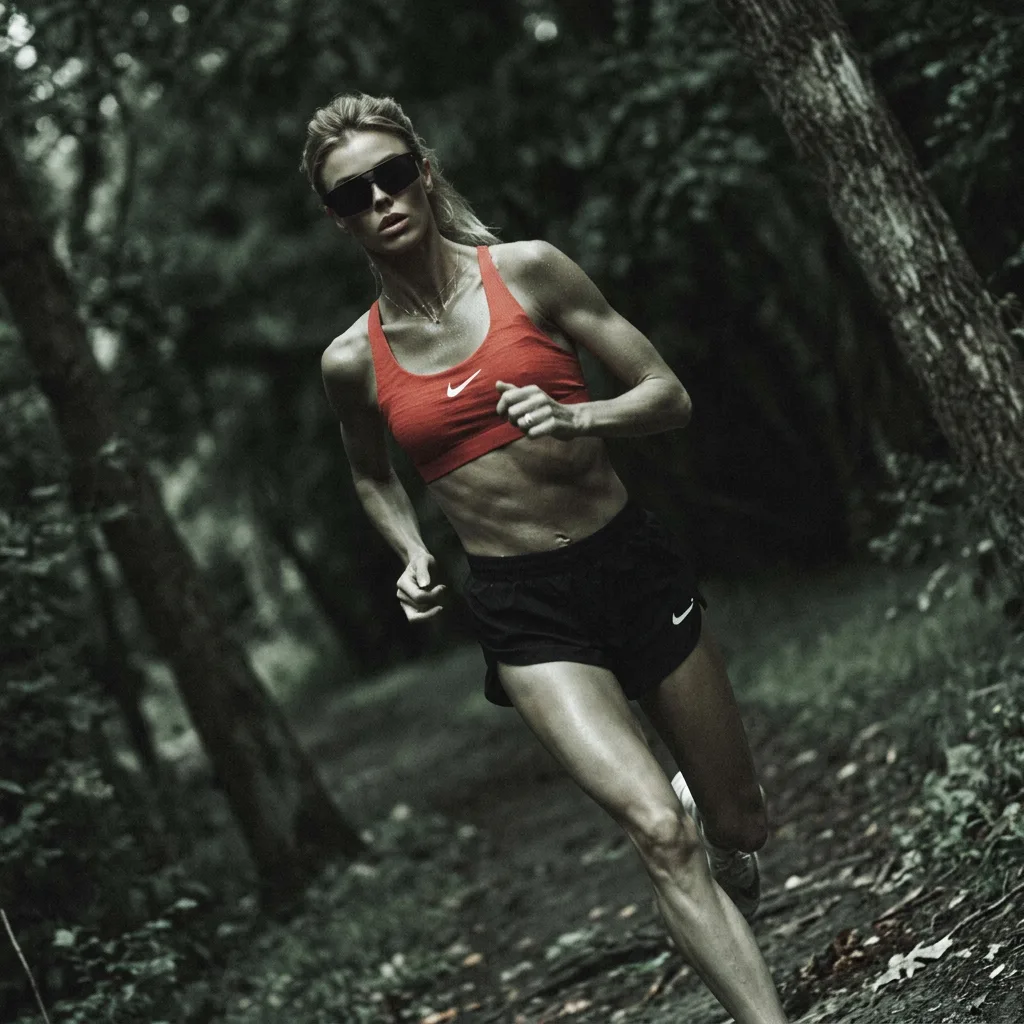
- Macro
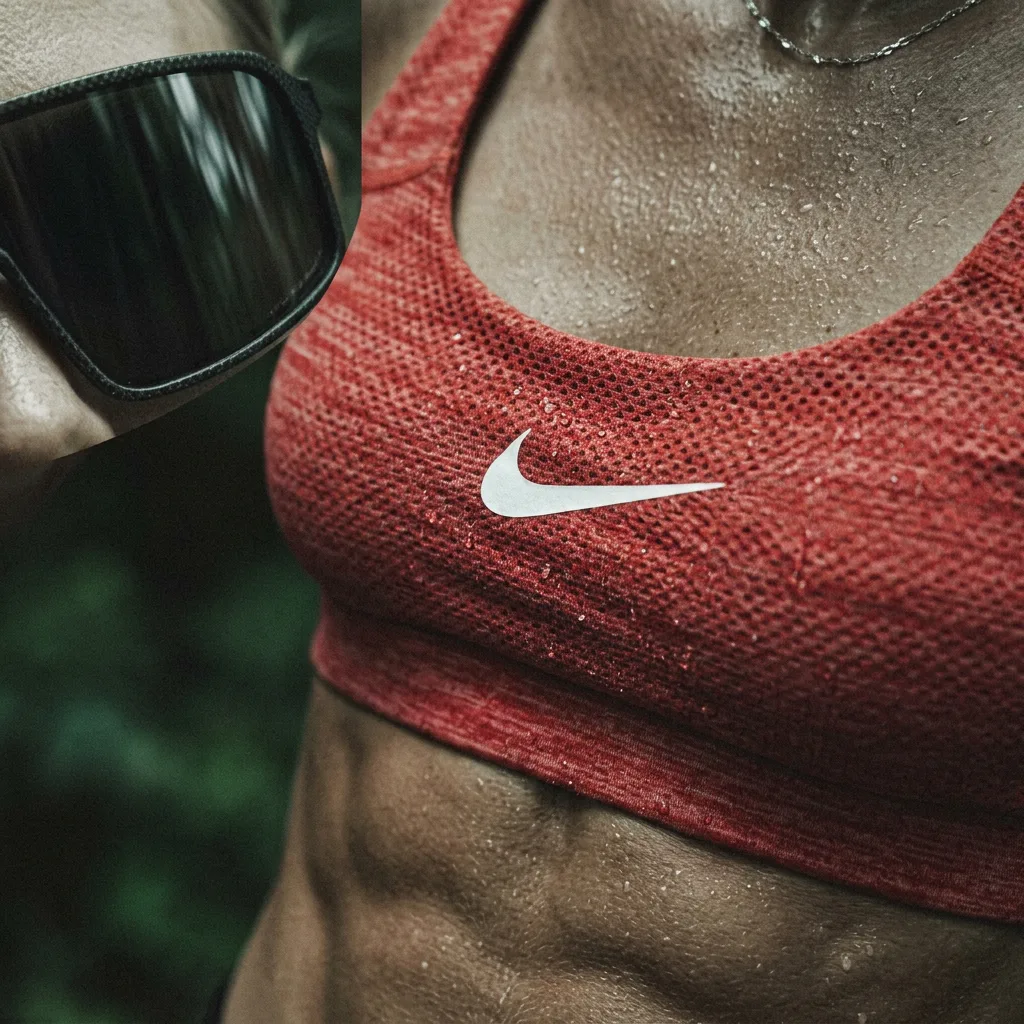
- Worm's Eye
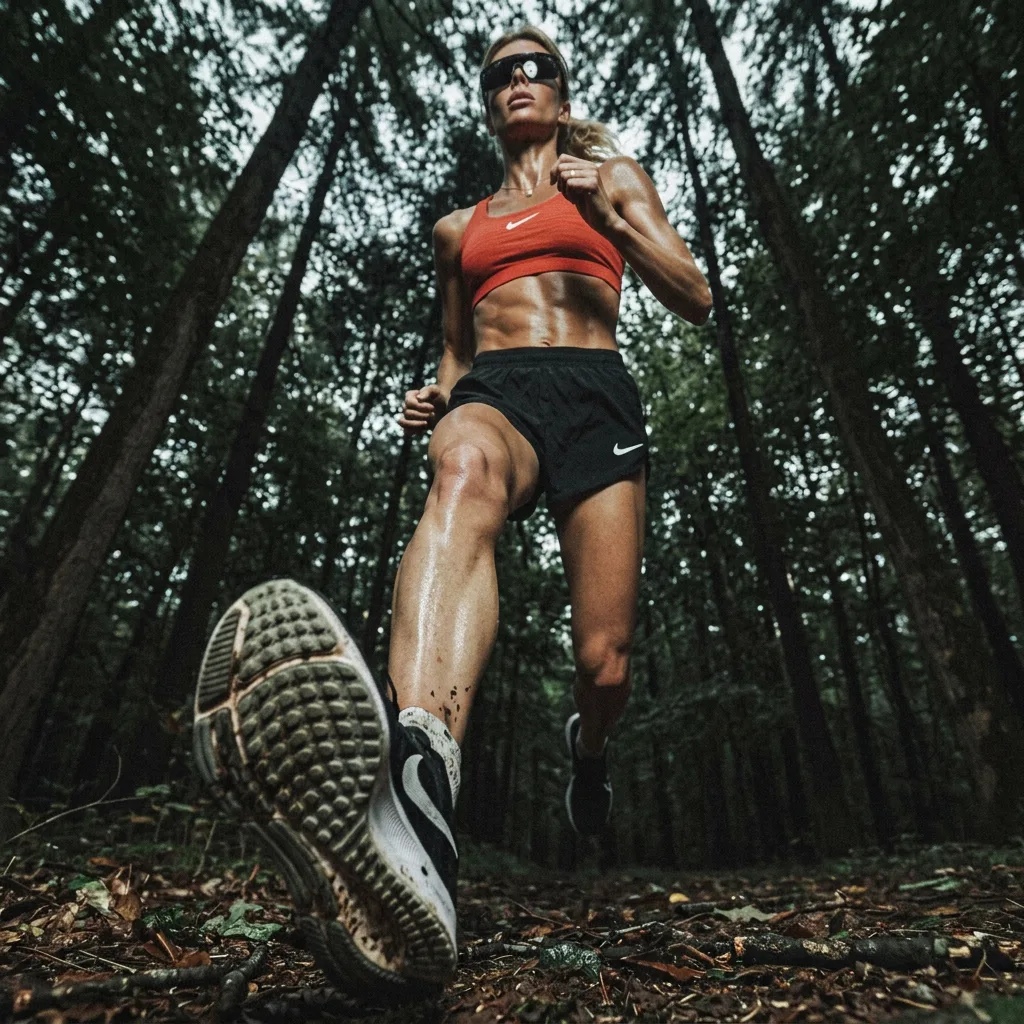
Live in the editorial
How it works
1 on-model or product image (any angle) · Optional styling or mood reference
Your brand rules, palette, product facts, and approved references — applied to every prompt in the run.
- 01Garment Analysis
- 02Per-Angle Prompt Generation
- 03Parallel Generation: Run 1
- 04Critic Loop
- 05Prompt Refinement
- 06Refined Generation: Run 2
Flux Kontext Pro · GPT-4o Vision
Automated evaluation pass against the brief.
Final output requires human approval before delivery.
6 high-resolution frames across 6 cinematic camera angles
The bounded path every run follows — your inputs in, the real delivered output on the right. Step detail below.
- 01
Garment Analysis
A vision LLM reads the source image and writes a detailed prose analysis of the garment: fabric, fit, silhouette, colour, and movement characteristics. Output is a structured JSON description used to seed every downstream prompt.
- 02
Per-Angle Prompt Generation
A photography director LLM reads the garment analysis and writes a bespoke prompt for each of the 6 camera angles, with precise physical camera placement, focal length, and lighting matched to the source frame.
- 03
Parallel Generation: Run 1
All 6 angles are generated simultaneously using Flux Kontext Pro, with the original image as reference. The framings that don't distort — Fish Eye and Macro — are delivered as final outputs after this step.
- 04
Critic Loop
The extreme framings — Bird's Eye, Low Angle, Dutch Angle, and Worm's Eye — each pass through a GPT-4o Vision critic that scores the output against 5 realism criteria: subject scale, spatial relationships, body proportions, perspective accuracy, and spatial impossibilities.
- 05
Prompt Refinement
A specialised LLM for each angle reads the critic's analysis alongside the original prompt and rewrites it to fix the identified issues — correcting scale, camera height, and perspective while preserving the exact subject, styling, and environment.
- 06
Refined Generation: Run 2
The 4 refined framings are regenerated using their corrected prompts, then delivered alongside the 2 final outputs from Run 1 — a full six-angle editorial set.
Brand, factual, and quality controls
- Automated evaluation pass against the brief.
- Human quality review before delivery.
What this workflow does not automate
- Requires an approved model or product source frame as input. It does not originate new photography from scratch.
- Subject identity and styling are held from the source frame — it does not restyle or re-cast.
What you own
- Provide the source image and any styling references.
- Review and approve outputs before publish.
Typical turnaround
Illustrative ranges based on comparable production work, not a guaranteed delivery time. Actual turnaround is scoped per engagement.
Operating evidence
Verified operating evidence for this workflow is not yet published. Outputs shown above are real production results.
Related workflows
- Photography & Imaging
Multi-Angle Campaign Reshoot
1 product photo → one campaign, held at precise product fidelity, iterated to every ratio and format its venues need — online and offline.
- Video Production
AI Clothing & Fashion Video (I2V)
Model images → cinematic fashion clips. No camera, no studio.
- Photography & Imaging
On-Brand Static Ad Creatives (Packshots)
Drop a URL → 3 on-brand packshots. The AI reads your brand first.
Part of the Creative Production System.
Frequently asked questions
Why do only the extreme angles go through the critic loop?
Fish Eye and Macro don't suffer from the scale and perspective distortion that affects overhead, low, and worm's-eye framings. Running them through the loop adds time with no quality gain.
What does the critic actually check?
Subject size relative to the environment, shadow and contact-point realism, head-to-body ratios, perspective-line accuracy, and any physically impossible spatial relationships — each rated on a 1–10 realism scale with specific feedback.
Can it match an existing editorial's look?
Yes. Supply a reference frame or mood board and the prompt generation step carries the grade, contrast, and lens character into every angle.
How does this differ from the Multi-Angle Campaign Reshoot?
That workflow produces campaign-ready framings for paid and retail placements. This one is tuned for editorial and lookbook use — dramatic lens character, consistent grade, six named cinematic angles.
Prove this workflow on one bottleneck
Bring one recurring production task and your approximate monthly volume. You leave with a fit decision, not a custom architecture session.
Book a strategy call